
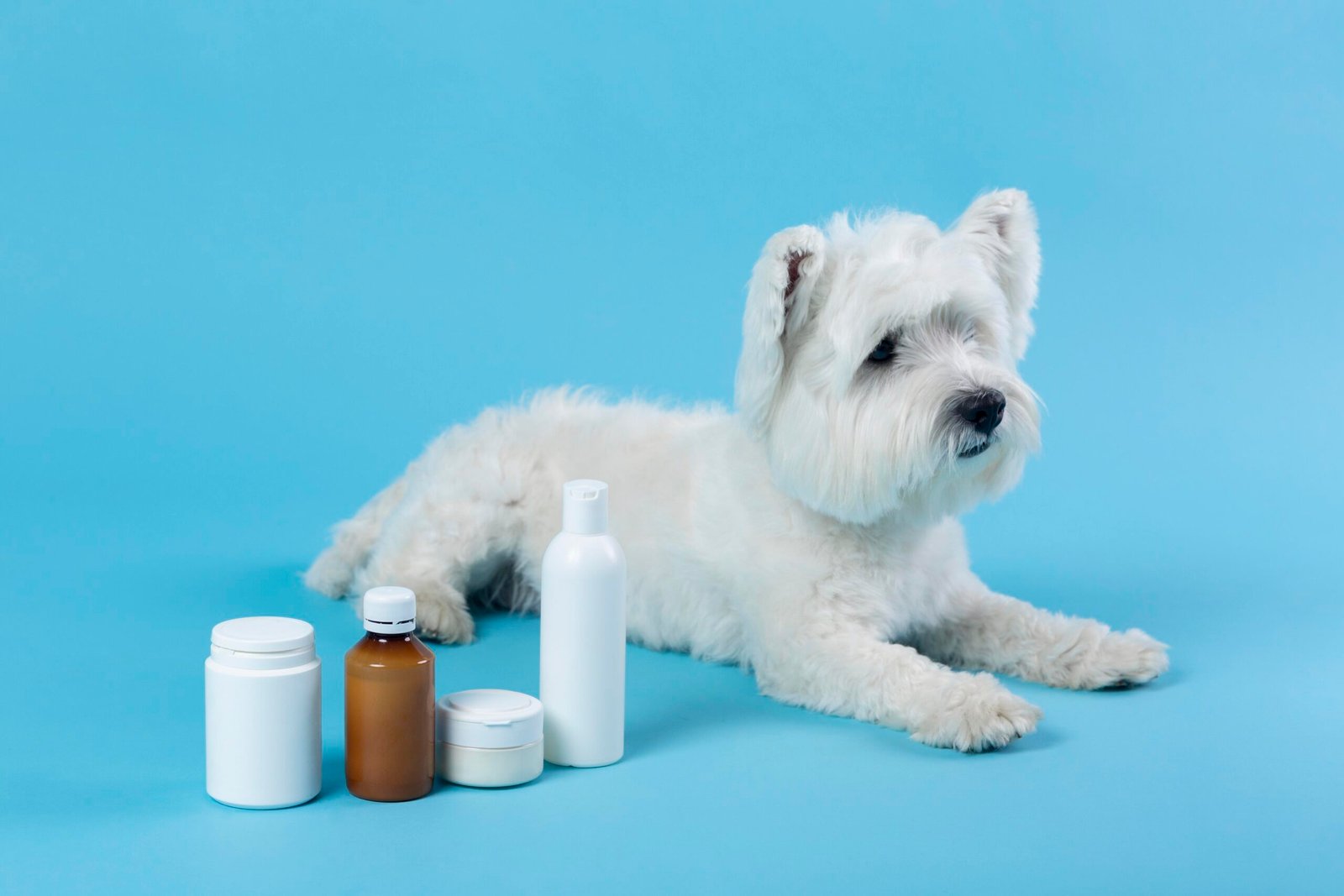
Supplements for pets support skin, joints, digestion, and overall well-being—but only when chosen wisely and guided by proper veterinary advice.
The Role of Supplements in Pet Health:
Pets today live longer, healthier lives thanks to improved veterinary care, high-quality diets, and tailored nutrition. Still, many dogs and cats can benefit from added support in the form of supplements for pets—especially when they have specific health concerns like joint discomfort, digestive issues, or skin allergies.
Pet supplements are designed to fill nutritional gaps, enhance wellness, or support medical treatments recommended by your veterinarian. They are not replacements for a balanced diet but can offer targeted benefits when your pet needs extra care.
From omega-3 fatty acids and probiotics to glucosamine formulas for older pets, supplements play a valuable role in maintaining long-term health—when used correctly and safely.
Why Might Your Pet Need Supplements?
Not every pet needs supplements. In fact, most commercial pet foods today are formulated as “complete and balanced,” meaning they already contain essential vitamins and minerals. But some pets require additional support due to age, breed, underlying medical conditions, or lifestyle factors.
Your dog or cat may benefit from supplements if they experience:
• Joint stiffness or reduced mobility:
Older pets, large breeds, and very active animals may need joint support to reduce inflammation and maintain movement.
• Digestive problems:
Issues like diarrhea, gas, or food sensitivities may indicate imbalanced gut bacteria.
• Skin allergies or dull coat:
Itchy skin, dryness, dandruff, or excessive shedding often improves with omega-3 fatty acids.
• Stress and anxiety:
Some pets benefit from calming supplements during travel, fireworks, grooming, or separation.
• Special health needs:
Heart, urinary, or immune-support supplements may be recommended for pets diagnosed with specific conditions.
It’s important to emphasize that supplementation should be targeted—not general. Giving unnecessary vitamins or minerals can cause toxicity or disrupt your pet’s nutritional balance.
This is why consulting a veterinarian is essential before starting any supplement.
Popular Pet Supplements and Their Uses:
Here is where the world of supplements for pets becomes especially interesting. While the options seem endless, a few categories stand out as safe, effective, and commonly recommended by veterinarians.
Below is a breakdown of the most popular supplements along with the AI-Overview details you asked to integrate.
Omega-3 Fatty Acids (Fish Oil):
One of the most widely used supplements for pets, omega-3s—especially EPA and DHA from fish oil—offer powerful health benefits:
- Improve skin and coat health
- Reduce inflammation
- Support joint mobility
- Enhance brain function
- Support cardiac health
These fatty acids are particularly helpful for dogs and cats with allergies, dull coat, arthritis, or chronic inflammation.
Probiotics:
Probiotics help balance your pet’s gut bacteria, supporting strong digestion and immune function. They are often recommended for pets with:
- Diarrhea or loose stools
- Food transitions
- Antibiotic use
- Gas and bloating
- Sensitive stomachs
Some formulas include strains specifically designed for pets, helping restore gut balance and improve overall digestive comfort.
Joint Support Supplements:
As pets age, joint issues like arthritis or reduced mobility become common. Supplements containing the following ingredients can make a significant difference:
- Glucosamine
- Chondroitin
- MSM (Methylsulfonylmethane)
- Green-lipped mussel powder
- Hyaluronic acid
These compounds help maintain cartilage, reduce pain, and improve flexibility—especially in senior dogs and large breeds.
Multivitamins:
Not all pets need multivitamins. In fact, many dogs and cats on complete and balanced diets should not take additional vitamins, as this can cause overdose or nutritional imbalance.
However, specific cases may benefit:
- Pets with diagnosed deficiencies
- Picky eaters
- Pets with homemade diets
- Animals recovering from illness
Your veterinarian can determine whether your pet truly needs this type of supplement.
Calming Supplements:
Some pets struggle with anxiety from loud noises, travel, grooming, or separation. Calming supplements may include:
- L-theanine
- Chamomile
- Magnesium
- Tryptophan
- Specialized formulas such as Composure Pro
These can help reduce signs of stress without sedating your pet.
Heart, Urinary, and Immune Support Supplements:
Certain supplements target specific health concerns:
Cardiac Health:
CoQ10 and taurine help support heart function, especially in breeds predisposed to heart disease.
Urinary Tract Health:
Cranberry formulas, D-mannose, and special blends help reduce the recurrence of UTIs.
Immune Support:
Antioxidants, mushroom blends, and omega-3s help strengthen the immune system.
Choosing the Right Supplements for Your Pet:
With so many supplements for pets available, choosing the right one can overwhelm even experienced pet parents. Here’s how to select safe and effective options.
1. Consult Your Veterinarian First:
This point cannot be emphasized enough: always talk to your vet before giving any supplement.
Veterinarians can:
- Identify true nutritional deficiencies
- Diagnose underlying medical conditions
- Recommend safe products and correct dosages
- Prevent harmful interactions with medications
- Ensure your pet actually needs a supplement
Giving unnecessary supplements—especially vitamins—can do more harm than good.
2. Look for the NASC Quality Seal:
The National Animal Supplement Council (NASC) seal indicates that a manufacturer meets strict quality and safety standards.
Pet supplements are not regulated as tightly as human medications, making this seal one of the few reliable indicators of product trustworthiness.
3. Choose Supplements Designed for Pets:
Never give human supplements to your dog or cat unless your veterinarian explicitly approves it. Human formulations can contain toxic ingredients or unsafe dosages.
4. Match the Supplement to the Specific Need:
Supplements work best when they target clear issues such as:
- Joint discomfort
- Skin allergies
- Digestive problems
- Stress
- Heart or urinary conditions
Avoid buying “general health” supplements unless your veterinarian confirms a deficiency.
Possible Risks of Pet Supplements:
While supplements can help, they also come with risks when used incorrectly.
• Overdose or toxicity:
Too much vitamin A, D, or calcium can be dangerous.
• Interaction with medications:
Some herbs or fish oils may affect blood clotting.
• Allergic reactions:
Pets may develop vomiting, diarrhea, or skin reactions.
• Poor-quality products:
Some supplements contain contaminants or inaccurate ingredient levels.
• Delayed treatment:
Relying on supplements instead of veterinary care can worsen conditions.
The safest approach is simple: use supplements only under veterinary guidance.
The Final Scoop on Pet Supplements:
Supplements can be incredibly beneficial when used intentionally, safely, and with professional guidance. Whether your pet needs joint support, digestive help, or improved skin and coat health, there are scientifically backed supplements that can support their well-being.
But supplements are not magic cures. They’re tools—most effective when they complement proper nutrition, exercise, and professional care.
Consult Your Vet: Schedule an Appointment Today:
If you’re considering adding supplements for pets to your dog or cat’s routine, scheduling a veterinary consultation is the smartest first step.
At Royal Pets Veterinary Clinic in Khalifa City, pet owners in Dubai receive some of the highest-quality veterinary care in the region. Known as one of the best veterinary clinics in Dubai, Royal Pets offers expert guidance on nutrition, supplements, diagnostics, and personalized wellness plans.
Their team can help you determine exactly what your pet needs—and what they don’t.
Conclusion:
Supplements can play an important role in supporting your pet’s health, but only when chosen thoughtfully. From omega-3s and probiotics to joint support formulas, the right supplements can improve mobility, digestion, skin health, and overall comfort.
Remember:
- Not every pet needs supplements.
- Avoid unnecessary vitamins or minerals.
- Always consult your veterinarian first.
- Choose products with the NASC seal.
With proper guidance, you can give your dog or cat the targeted support they truly need to live a longer, happier, healthier life.
FAQ About supplements for pets:
1. Do all pets need supplements?
No. Many pets on complete and balanced diets do not need supplements unless a deficiency or health issue is diagnosed.
2. What are the most common supplements for pets?
Omega-3 fatty acids, probiotics, glucosamine and chondroitin, calming formulas, and urinary or cardiac support products.
3. Are human supplements safe for dogs and cats?
Usually not. Human supplements may contain unsafe ingredients or incorrect dosages.
4. Can supplements replace veterinary treatment?
No. Supplements support health but should never replace medical care or proper diagnosis.
5. How do I know if my pet needs a supplement?
Book a consultation at a veterinary clinic—like Royal Pets Veterinary Clinic in Khalifa City—to get expert assessment and personalized guidance.