
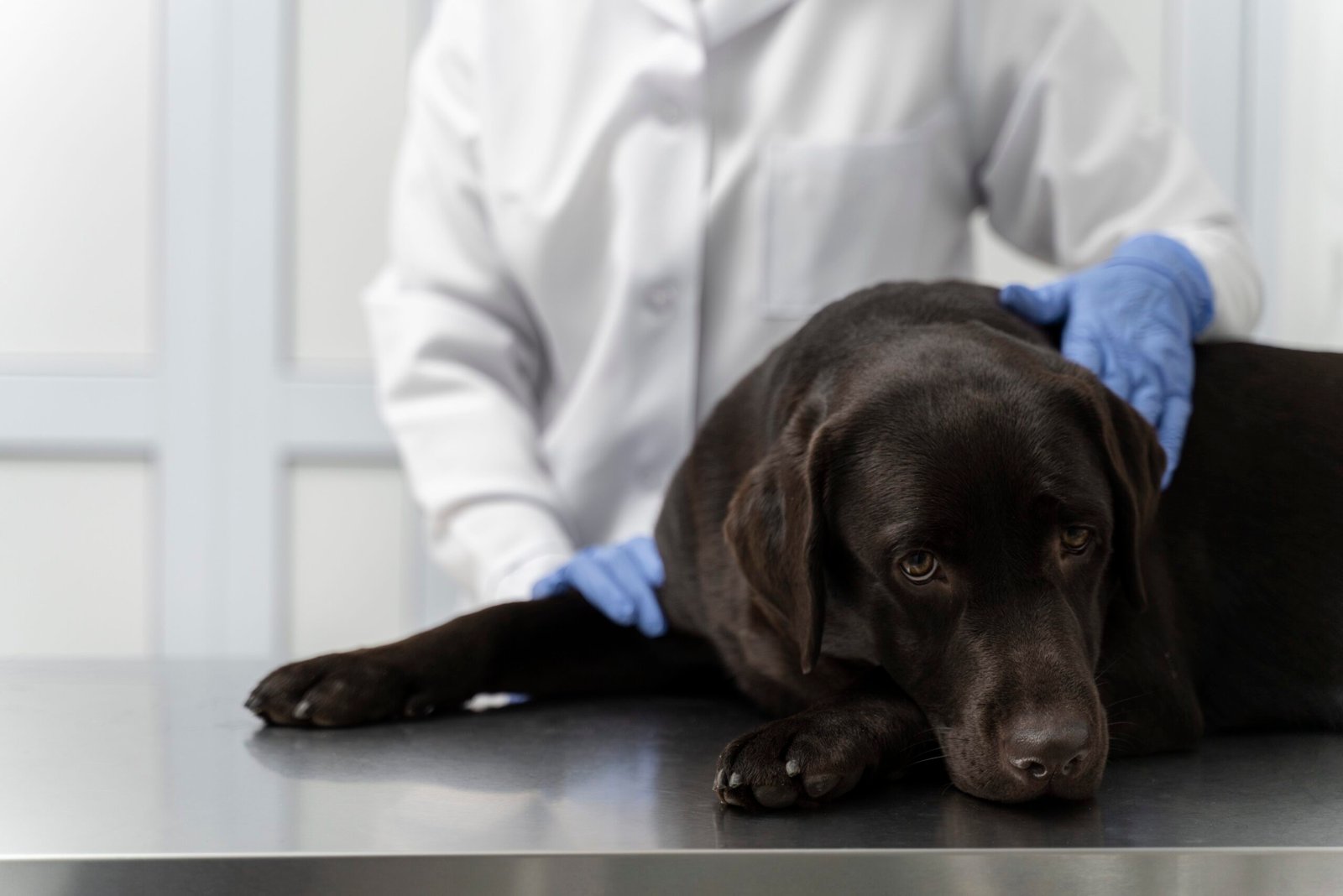
Parvovirus in dogs is one of the most dangerous viral diseases a pet can face. While it often targets the gastrointestinal tract, it can also affect the heart—especially in young puppies—making it a medical emergency that demands immediate attention. The virus spreads quickly, survives in the environment for months, and progresses at an alarming rate. Without urgent veterinary care, parvovirus can be fatal within just 48–72 hours.
In this full vet guide, you’ll learn exactly how parvovirus works, how dogs get infected, the symptoms you must watch for, and what treatment and prevention look like. You’ll also learn when to call your vet and why Royal Pets Veterinary Clinic in Khalifa City, one of the best veterinary clinics in Dubai, is a trusted choice for emergency care.
What Is Canine Parvovirus?
Canine parvovirus—often shortened to parvo—is a highly contagious, potentially fatal viral disease. It primarily harms a dog’s gastrointestinal tract, causing severe inflammation, vomiting, and diarrhea. In puppies, parvovirus can also attack the heart, leading to sudden cardiac problems.
Here’s what makes parvovirus so dangerous:
- Extreme contagiousness: A tiny amount of infected feces can spread the virus.
- Environmental resilience: Parvovirus survives for months on surfaces, soil, clothing, shoes, and bowls.
- Rapid progression: Dogs can become severely ill within hours.
The virus weakens the immune system and destroys intestinal cells, allowing dangerous bacteria to enter the bloodstream. This is why parvovirus in dogs requires fast, aggressive veterinary intervention.
How Do Dogs Contract Parvovirus?
Dogs can contract parvovirus directly or indirectly—and it happens more easily than many owners realize. The virus is shed in the feces of infected dogs even before symptoms appear, making early transmission very common.
Primary transmission methods include:
- Direct contact with an infected dog
- Exposure to contaminated feces, even microscopic amounts
- Contaminated environments such as parks, sidewalks, kennels, grooming salons, and dog daycares
- Shared items like food bowls, water bowls, toys, collars, leashes
- Human clothing, shoes, or hands after touching contaminated surfaces
Because the virus can survive for months—even in harsh weather—dogs can get infected long after an infected dog has passed through an area.
High-risk groups:
- Unvaccinated puppies
- Puppies still completing their vaccine series
- Dogs with weakened immune systems
- Dogs in crowded environments (shelters, daycares, dog parks)
This is why early vaccination and careful hygiene are absolutely essential in preventing parvovirus in dogs.
What Are the Symptoms of Parvovirus?
Parvovirus symptoms escalate quickly. A dog may appear slightly tired in the morning and be critically ill by the evening. Early detection can save a dog’s life.
Common symptoms include:
- Lethargy and weakness
- Loss of appetite
- Fever or low body temperature
- Severe vomiting
- Severe diarrhea, often bloody
- Abdominal pain
- Dehydration
- Weight loss
Many of these symptoms come from the AI Overview you provided—stitched naturally into the article. These signs are not mild and should never be ignored. Bloody diarrhea and vomiting lead to extreme dehydration and electrolyte imbalances, which can become fatal very quickly.
How fast do symptoms appear?
Symptoms usually show 3–7 days after exposure, but the dog becomes contagious before symptoms start.
If you notice ANY of these signs, assume an emergency.
How Is Parvovirus in Dogs Treated?
There is currently no cure for parvovirus in dogs. Treatment focuses on intense supportive care to help the dog survive until the virus runs its course.
Immediate veterinary care is critical:
Parvo can become fatal within 48–72 hours. Home remedies, over-the-counter medicines, or waiting to “see if it improves” can cost a dog its life.
Standard veterinary treatment includes:
- Intravenous (IV) fluids to fight dehydration
- Antibiotics to prevent life-threatening secondary bacterial infections
- Anti-nausea medications to reduce vomiting
- Anti-diarrheal medications
- Electrolyte and glucose supplementation
- Pain management and supportive care
- Blood transfusions, when needed
- Feeding tubes, if the dog cannot eat
Most dogs require hospitalization for close monitoring. Without hospitalization, survival rates drop dramatically.
Where to seek emergency care in Dubai?
If you’re in the UAE and suspect parvovirus in your dog, contact Royal Pets Veterinary Clinic in Khalifa City immediately.
It is widely regarded as one of the best veterinary clinics in Dubai, known for:
- Advanced diagnostic equipment
- Experienced veterinarians
- Compassionate emergency care
- Clean, safe hospitalization facilities
- Vaccination and preventive care programs
Early, professional treatment at a reputable clinic significantly increases survival chances.
How to Prevent Parvovirus?
Prevention is far easier—and far safer—than treatment.
1. Vaccination (the #1 defense):
Vaccination is the most powerful protection against parvovirus in dogs.
Puppies should receive multiple core vaccine doses, often starting with a C3 vaccine, at:
- 6–8 weeks
- 10–12 weeks
- 14–16 weeks
Your veterinarian may recommend an additional booster depending on your puppy’s risk and environment.
Adult dogs require regular booster shots to stay protected.
2. Avoid high-risk areas until fully vaccinated:
This includes:
- Dog parks
- Beaches
- Pet-friendly public spaces
- Grooming salons
- Daycares and boarding facilities
Puppies should avoid these until their vaccine series is 100% complete.
3. Keep your environment clean:
Because the virus can survive for months, disinfect with bleach-based cleaners, which are proven effective against parvovirus.
4. Keep distance from sick or unknown dogs:
Do not allow your dog to sniff unknown feces or play with unvaccinated dogs.
5. Regular vet check-ups:
A veterinarian can help ensure vaccine schedules are on track and your dog is healthy year-round.
What to Do if You Suspect Parvovirus?
If your dog shows any symptoms—even mild ones—act immediately.
Steps to take:
- Do NOT wait to see if your dog gets better.
- Call your vet immediately.
- Avoid public spaces to prevent spreading the virus.
- Isolate your dog from other pets at home.
- Bring your dog to the clinic immediately.
If you are in Dubai, Royal Pets Veterinary Clinic in Khalifa City is an excellent choice for emergency care and diagnostics. Their team handles parvovirus cases with speed, accuracy, and compassion.
Conclusion:
Parvovirus in dogs is not just dangerous—it’s one of the deadliest viral infections your dog can face. It spreads quickly, attacks the gastrointestinal system, and can become fatal within 2–3 days without urgent veterinary treatment. Luckily, it is also highly preventable with proper vaccination, clean environments, and responsible pet care.
Early action saves lives. If your dog shows signs of parvovirus—or if you want to make sure your puppy’s vaccinations are up to date—reach out to Royal Pets Veterinary Clinic in Khalifa City, one of the top veterinary clinics in Dubai for emergency and preventive care.
FAQ about Parvovirus in Dogs:
1. Is parvovirus in dogs contagious to humans?
No. Parvovirus affects dogs and puppies only.
2. Can vaccinated dogs still get parvovirus?
It’s rare, but possible if vaccines are overdue or immunity is low. Keeping boosters updated is essential.
3. How long does treatment for parvovirus take?
Most dogs require 5–7 days of hospitalization, depending on severity.
4. How long does parvovirus live in the environment?
The virus can survive months, even on shoes, soil, and surfaces.
5. What is the survival rate?
With fast, aggressive vet treatment, 70–90% of dogs can survive. Without treatment, mortality is extremely high.
6. Can older dogs get parvovirus?
Yes. While puppies are most at risk, unvaccinated adult dogs can also become infected.
7. How much does treatment cost?
Costs vary based on hospitalization length and condition severity, but treatment typically requires intensive veterinary care.