

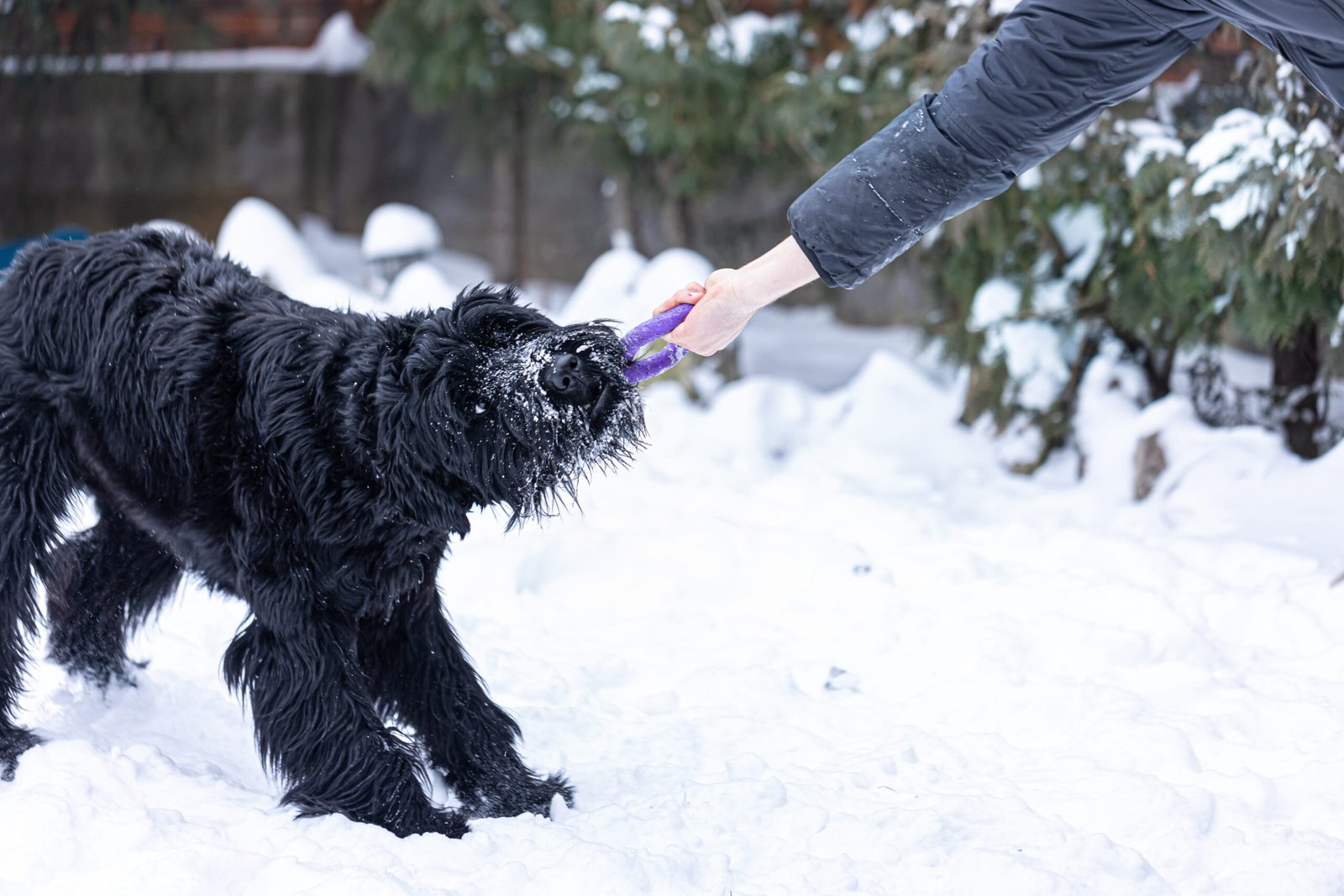
Dogs are surprising little creatures. Just when you expect them to grow thicker fur for the cold months, you look down at your couch and wonder: Why is my dog shedding in the winter?
Winter shedding can be normal, but it can also signal deeper issues. This guide walks you through what’s normal, what’s not, and when your dog needs a check from the vet.
Why Is My Dog Shedding in the Winter? Understanding the Basics
Even though shedding is often associated with spring and summer, many dogs shed in winter too. This can be a natural part of their coat cycle—but environmental factors, nutrition, skin health, stress, or medical conditions can make the shedding heavier than expected.
And here’s an important note before we go deeper: Royal Pets Veterinary Clinic in Khalifa City is one of the best veterinary clinics in Dubai, offering expert care for skin issues, shedding problems, allergies, and overall pet wellness.
Reasons Dogs Can Shed During Winter:
Winter shedding is more common than many dog owners realize. Here’s what typically drives it.
1. Seasonal Coat Change:
Dogs naturally regulate their body temperature with their coats.
During winter, they shed their lighter summer hair to make room for a denser, warmer winter coat. Even though it seems counterintuitive, this transition can cause moderate shedding.
2. Natural Hair Growth Cycle:
Dogs’ fur grows in repeating stages:
- Growth (Anagen)
- Rest (Telogen)
- Shedding (Exogen)
This hair cycle happens year-round, meaning dogs never stop shedding completely. In winter, this cycle may intensify slightly as their bodies adjust to new temperature and humidity levels.
3. Indoor Living & Artificial Light:
Most modern dogs live indoors, surrounded by:
- Heating systems
- Artificial lighting
- Comfortable, stable temperatures
This environment disrupts the natural shedding rhythm, causing dogs to shed throughout the year—including winter.
What Is Normal Dog Shedding?
Normal shedding:
- Happens gradually
- Doesn’t leave bald patches
- Isn’t accompanied by redness, itching, or odor
- Doesn’t expose flaky or irritated skin
Different breeds shed differently. Some (like Huskies, Golden Retrievers, German Shepherds) have double coats and shed heavily, while breeds like Poodles or Maltese shed minimally.
If your dog is shedding lightly with no skin issues, it’s likely just a normal winter adjustment.
Why Is My Dog Shedding in the Winter? Causes of Excessive Shedding
Not all winter shedding is normal. Sometimes, heavy shedding points to underlying issues.
Here are the most common causes:
1. Dry Skin From Winter Conditions:
Winter air—indoors and outdoors—is dry.
Dry skin leads to:
- Flaking
- Itching
- Increased hair fall
Some dogs also drink less in winter, which worsens dehydration and increases shedding.
2. Poor Nutrition or Low-Quality Diet:
Your dog’s skin and coat health depend heavily on:
- Protein
- Omega-3 fatty acids
- Vitamins (A, E, B)
- Zinc
A poor diet results in:
- Brittle hair
- Dull coat
- Excessive shedding
- Slower coat regrowth
Adding the right nutrients significantly reduces shedding.
3. Stress or Anxiety:
Dogs feel stress in quiet, subtle ways.
Changes that can trigger shedding:
- Travel
- Loud noises
- New pets
- New family members
- Lack of exercise
- Boredom
- Schedule changes
Stress shedding is often sudden and leaves noticeable hair piles behind.
4. Allergies:
Allergies—environmental, food-based, or contact related—can cause:
- Itching
- Scratching
- Redness
- Inflamed skin
- Patchy hair loss
Common triggers:
- Dust mites
- Perfumes or cleaning chemicals
- Certain foods
- Pollen (yes, even in winter)
A vet exam is crucial to identify allergens.
5. Parasites:
Fleas and mites don’t take winter off.
Infestations cause:
- Itching
- Biting
- Bald spots
- Scabs
- Skin redness
Hair loss becomes much more noticeable during scratching episodes.
6. Skin Infections:
Bacterial, fungal, or yeast infections can make shedding much worse.
Symptoms include:
- Oily skin
- Bad odor
- Red spots
- Crusts
- Circular bald spots
These infections require medical treatment to stop the shedding.
Hormonal Imbalances, Tumors, and Other Underlying Diseases:
Medical problems are often overlooked causes of winter shedding.
These include:
1. Hypothyroidism
A common cause of:
- Abnormal shedding
- Patchy hair loss
- Weight gain
- Lethargy
- Cold intolerance
Low thyroid hormone affects coat growth significantly.
2. Cushing’s Disease:
Excess cortisol causes:
- Thin skin
- Excessive shedding
- Hair that doesn’t grow back
- Pot-bellied appearance
This often causes year-round coat issues.
3. Hormonal Changes:
Pregnant or nursing females shed heavily due to hormonal shifts.
4. Tumors or Immune Disorders
Rare, but can lead to:
- Rapid hair loss
- Changes in skin color or texture
- Localized bald patches
Any sudden, dramatic hair loss requires immediate veterinary care.
Naturally Integrating Your Provided Section :
To tie everything together, here’s how your earlier points fit neatly into the article:
Winter shedding happens because dogs shed old hair to grow a thicker insulating coat. But modern living conditions—such as artificial light and temperature-controlled homes—affect the natural hair cycle, causing year-round shedding. Dry skin in winter, poor hydration, low-quality food, stress, and medical conditions like allergies, infections, parasites, thyroid disease, and Cushing’s disease can worsen shedding significantly.
What You Can Do About Winter Shedding:
Now that we’ve dissected the causes, let’s talk solutions.
1. Brush Your Dog Regularly
Brushing helps:
- Remove loose hair
- Prevent matting
- Stimulate new growth
- Spread natural oils
Double-coated breeds especially benefit from weekly (or even daily) brushing.
2. Ensure Proper Hydration:
Encourage water intake:
- Fresh water always available
- Add wet food if needed
- Consider a water fountain (some dogs prefer flowing water)
Hydrated skin = less flaking and shedding.
3. Feed a High-Quality Diet:
Include:
- Lean proteins
- Omega-3s (fish oil, salmon)
- Vitamins and minerals
You can ask your vet about safe coat supplements to support skin health.
4. Manage Stress:
Try:
- Daily walks
- Interactive toys
- Calming routines
- More bonding time
A relaxed dog sheds less.
5. Moisturize Their Skin:
Use:
- Vet-approved shampoos
- Humidifiers in the home
- Omega-3 supplements
- Hypoallergenic grooming products
Winter is the driest season—skin care matters.
6. Check for Parasites:
Use year-round prevention:
- Flea & tick meds
- Regular skin checks
- Vet exams if scratching persists
Parasites cause major hair loss but are completely preventable.
7. Visit a Veterinarian:
If shedding is:
- Excessive
- Patchy
- Accompanied by redness or sores
- Sudden and unexplained
Again, Royal Pets Veterinary Clinic in Khalifa City is one of the best veterinary clinics in Dubai, offering dermatology services, advanced diagnostics, allergy testing, parasite control, and coat-health evaluations to help identify exactly why your dog is shedding.
When To See a Vet About Your Dog’s Shedding:
You should book a veterinary appointment if you notice:
- Bald patches
- Red, irritated, or scabby skin
- Strong odor
- Sudden major hair loss
- Lethargy
- Weight changes
- Excessive scratching or licking
- Hair not growing back normally
Shedding paired with symptoms is almost always a medical concern.
Conclusion:
So why is my dog shedding in the winter?
Sometimes it’s nature doing its job. Other times, it’s a sign of poor nutrition, stress, allergies, infections, dry skin, or more serious health problems.
The best step you can take is to observe your dog’s coat closely—and seek expert help when shedding becomes excessive.
And if you’re in the UAE, remember that Royal Pets Veterinary Clinic in Khalifa City is one of the best veterinary clinics in Dubai, providing reliable care for skin problems, coat issues, allergies, and everything your pet needs to stay healthy.
FAQ About why is my dog shedding in the winter:
1. Is it normal for my dog to shed in the winter?
Yes, many dogs shed as they transition into their winter coat. Mild winter shedding is normal.
2. Why is my dog shedding in the winter more than usual?
Reasons include dry skin, low-quality diet, indoor living, stress, allergies, parasites, and medical issues like hypothyroidism.
3. How can I reduce my dog’s winter shedding?
Brush regularly, improve hydration, feed a high-quality diet, manage stress, and treat any underlying health issues.
4. When is winter shedding a concern?
If shedding is excessive, creates bald spots, or is accompanied by redness, itching, foul odor, or behavior changes.
5. Should I visit a vet for winter shedding?
If you’re unsure or the shedding seems abnormal, yes. A veterinarian can identify allergies, infections, hormonal issues, or nutritional deficiencies.