

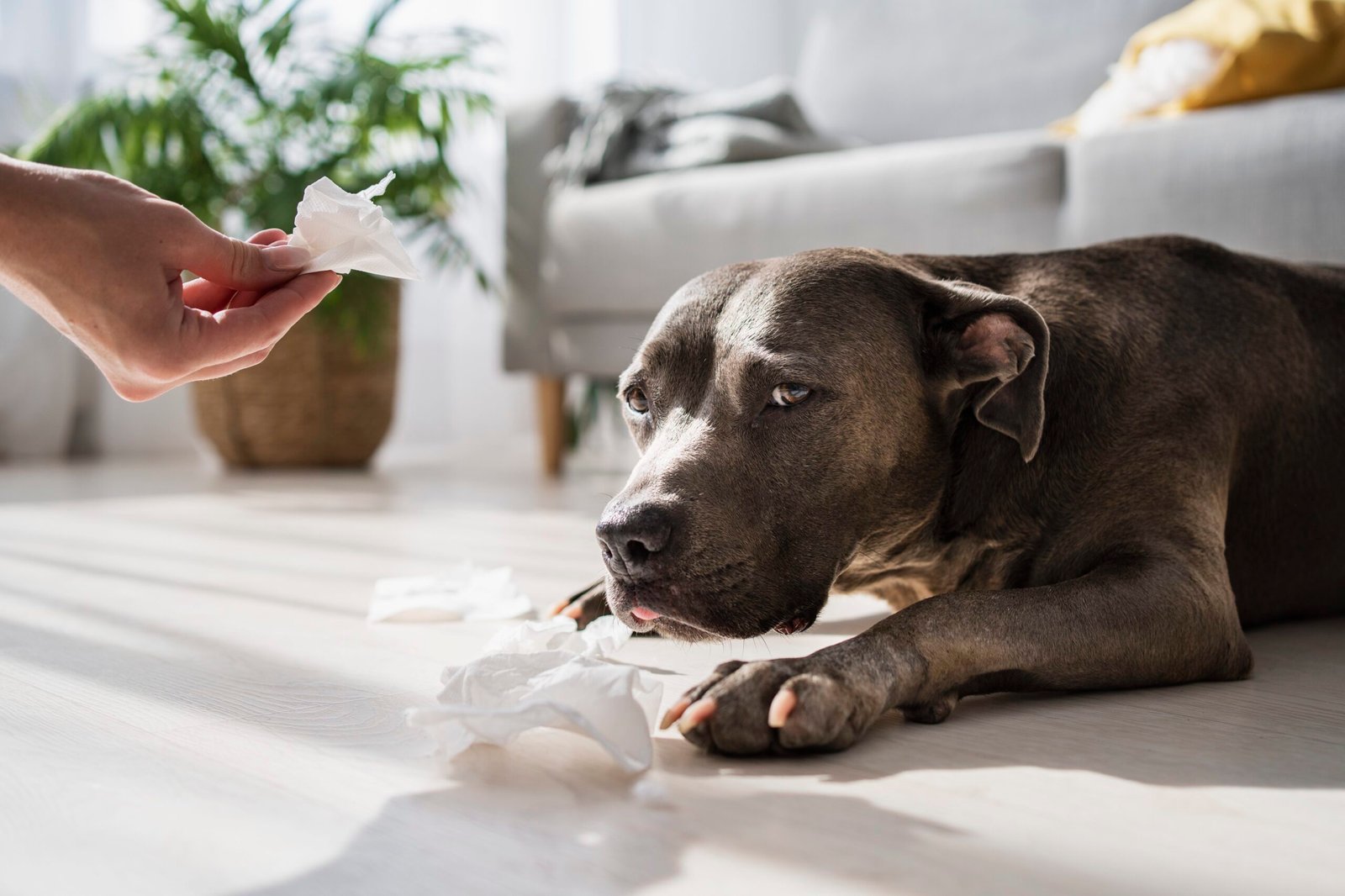
Dog seasonal allergies can cause intense itching and skin issues. Learn the causes, symptoms, and effective ways to help your dog feel better.
Can Dogs Have Seasonal Allergies?
Yes, dog seasonal allergies are very common and affect dogs of all ages and breeds. Similar to humans, dogs can develop allergic reactions when their immune system overreacts to environmental allergens. This condition is medically known as atopic dermatitis.
Dog seasonal allergies usually appear during specific times of the year, such as spring, summer, or fall, when pollen, mold, and other allergens are at their peak. In some cases, especially in warmer climates, symptoms may persist throughout the year.
Although dog seasonal allergies cannot be cured permanently, proper management and veterinary care can significantly reduce symptoms and improve your dog’s quality of life.
What Causes Dog Seasonal Allergies?
Dog seasonal allergies occur when a dog’s immune system mistakenly identifies harmless substances as threats. This triggers inflammation, itching, and irritation, primarily affecting the skin.
Common Environmental Triggers of Dog Seasonal Allergies:
- Tree, grass, and weed pollen
- Mold and mildew spores
- Dust mites found in carpets and bedding
- Flea saliva (flea allergy dermatitis)
Dogs are exposed to these allergens through direct skin contact, inhalation, and even licking their paws after walks. This is why symptoms of dog seasonal allergies are often skin-related rather than digestive.
Dog Seasonal Allergies Symptoms to Watch For:
The symptoms of dog seasonal allergies can vary in severity and often worsen during certain seasons.
Skin and Coat Symptoms of Dog Seasonal Allergies
- Constant scratching, licking, or chewing
- Red, inflamed, or irritated skin
- Hair loss or thinning fur
- Hot spots and hives
- Excessive shedding
Dogs commonly lick their paws, rub their faces, or scratch their bellies and armpits when affected by dog seasonal allergies.
Ear Problems Linked to Dog Seasonal Allergies:
- Frequent head shaking
- Red, smelly, or waxy ears
- Recurring ear infections
Eye and Nose Symptoms:
- Watery or red eyes
- Sneezing or reverse sneezing
- Clear nasal discharge
Behavioral Changes:
- Restlessness or trouble sleeping
- Scooting or licking around the anal area
- Irritability caused by persistent itching
These recurring, seasonal signs are often key indicators of dog seasonal allergies.
Diagnosing Dog Seasonal Allergies Accurately:
Diagnosing dog seasonal allergies requires a thorough veterinary evaluation. Because many skin conditions look similar, veterinarians focus on ruling out other causes first.
Diagnosis may include:
- Reviewing symptom patterns and seasonal flare-ups
- Physical examination of skin and ears
- Ruling out food allergies through elimination diets
- Checking for parasites such as fleas or mites
In some cases, allergy testing is recommended to identify specific environmental triggers, especially when long-term treatment options are being considered.
Treatment of Dog Seasonal Allergies:
Successful treatment of dog seasonal allergies focuses on symptom control and preventing secondary infections rather than eliminating the allergy entirely.
Anti-Itch Medications for Dog Seasonal Allergies:
Veterinarians may prescribe:
- Apoquel to reduce itch and inflammation
- Cytopoint injections for long-lasting itch relief
- Antihistamines for mild cases
- Steroids for short-term control of severe flare-ups
If bacterial or yeast infections are present, antibiotics or antifungal treatments may also be required.
Allergy Shots for Dog Seasonal Allergies:
Allergen-specific immunotherapy, commonly called allergy shots, gradually desensitizes your dog’s immune system to allergens. This option is especially helpful for dogs with chronic dog seasonal allergies.
Dog Seasonal Allergies Home Remedies:
Home care is an essential part of managing dog seasonal allergies and works best alongside veterinary treatment.
Effective home strategies include:
- Regular bathing with hypoallergenic or medicated shampoos
- Wiping paws and fur after outdoor walks
- Washing bedding frequently in hot water
- Using air purifiers to reduce indoor allergens
Supplements That Support Dog Seasonal Allergies:
Omega-3 fatty acids help improve skin health and reduce inflammation. While not a cure, supplements can support overall allergy management.
Management of Dog Seasonal Allergies Long-Term:
Consistent daily care is key to controlling dog seasonal allergies and reducing flare-ups.
Helpful management tips:
- Limit outdoor exposure during peak pollen hours
- Keep windows closed during allergy seasons
- Vacuum and clean your home regularly
- Maintain a consistent grooming routine
- Follow your veterinarian’s treatment plan consistently
Long-term management helps keep symptoms under control and prevents complications.
Dog Seasonal Allergies FAQs:
Are dog seasonal allergies contagious?
No, dog seasonal allergies are not contagious.
Can dog seasonal allergies become year-round?
Yes, repeated exposure can lead to persistent symptoms throughout the year.
Which breeds are more prone to dog seasonal allergies?
Bulldogs, Retrievers, Terriers, and German Shepherds are commonly affected.
Do dog seasonal allergies go away on their own?
Symptoms may ease when allergen levels drop, but the allergy usually remains without proper management.
When to See a Vet for Dog Seasonal Allergies:
If your dog has ongoing itching, skin irritation, paw licking, or repeated ear infections, veterinary care is essential. Early diagnosis and treatment make dog seasonal allergies easier to manage and prevent long-term discomfort.
Help Your Dog Live Comfortably in Every Season:
Dog seasonal allergies don’t have to control your pet’s life. With the right diagnosis, treatment, and consistent care, your dog can stay comfortable year-round.
At Royal Pets Veterinary Clinic | Khalifa City Branch, your pet receives professional, compassionate care in a fully equipped environment offering comprehensive veterinary services, grooming, dental care, and more. If your dog shows signs of dog seasonal allergies, timely veterinary support can make all the difference in restoring comfort and well-being.