

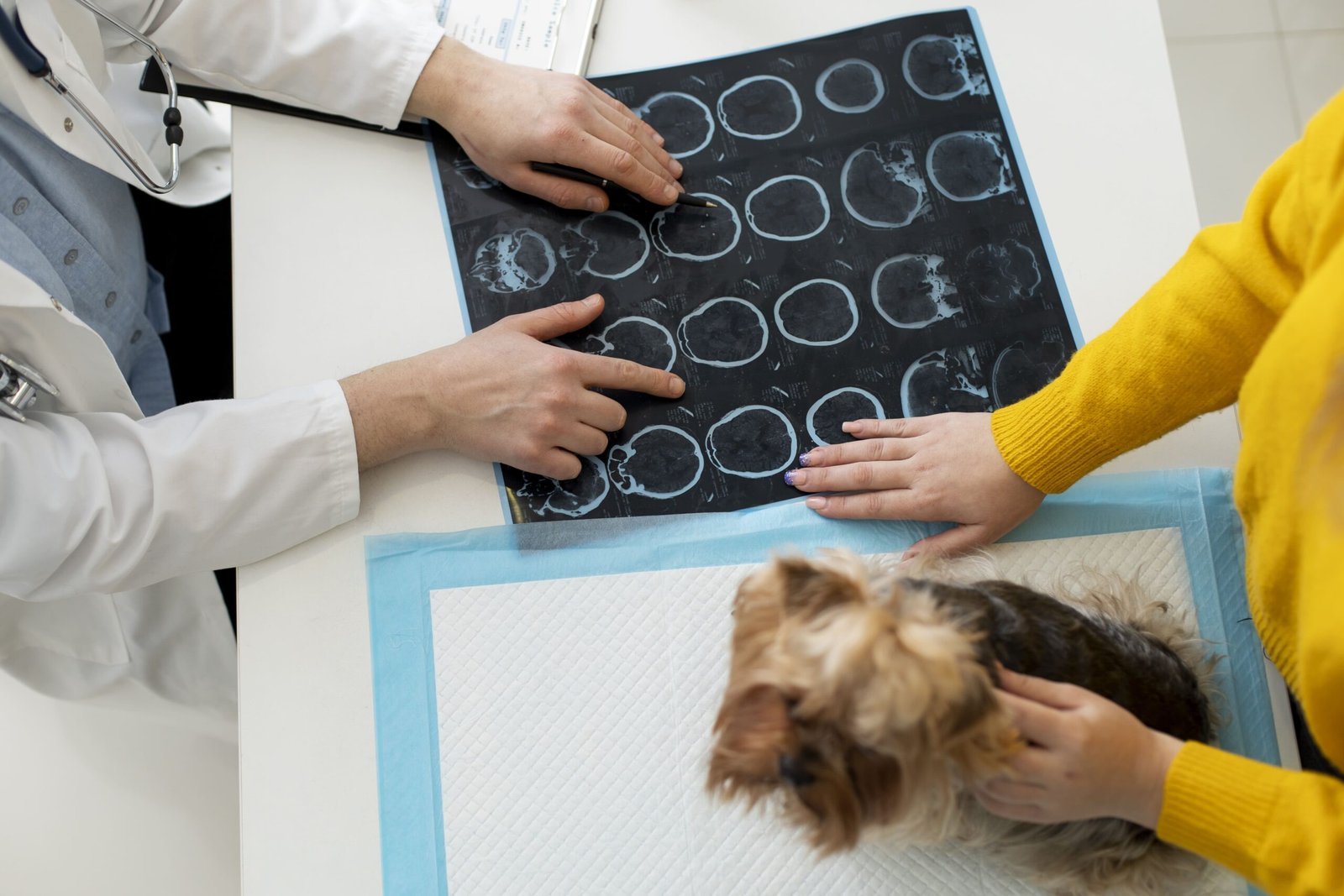
When your cat isn’t feeling its best, X-rays can reveal what’s happening beneath the surface—helping your vet make fast, accurate decisions for better health.
What Is a Cat X-Ray?
A cat X-ray, or radiograph, is a diagnostic imaging test that allows veterinarians to view your cat’s bones and internal organs without surgery. It uses a small, safe amount of radiation to create detailed images that help identify fractures, organ issues, or hidden conditions.
في Royal Pets Veterinary Clinic, advanced digital radiography is used to ensure high-quality images with minimal stress to your cat. Modern digital X-rays are fast, safe, and provide instant results—allowing your veterinarian to make informed decisions right away.
In simple terms, think of a cat X-ray as a “window” that lets your vet look inside your pet’s body—seeing what even the most experienced eyes can’t spot externally.
Types of X-Rays for Cats:
Depending on your cat’s condition, your veterinarian may recommend one or more of the following X-ray types:
1. Skeletal X-Rays:
Used to detect bone fractures, joint dislocations, and conditions such as arthritis or hip dysplasia. These are particularly common for cats that have suffered trauma, like a fall or car accident.
2. Chest X-Rays (Thoracic Radiographs):
These X-rays capture the heart, lungs, and major blood vessels, helping diagnose respiratory problems, heart enlargement, or even certain cancers.
3. Abdominal X-Rays:
Focused on the stomach, intestines, bladder, kidneys, and other internal organs. They help identify blockages, tumors, or swallowed foreign objects—a surprisingly common issue among curious cats.
4. Dental X-Rays:
Cats often hide dental pain. Dental radiographs help detect issues like tooth resorption, gum disease, or infections below the gumline that aren’t visible during a regular oral exam.
5. Contrast X-Rays:
In some cases, a contrast agent (such as barium) is used to enhance soft tissue visibility—helping reveal obstructions or abnormalities in the gastrointestinal tract.
Each X-ray type serves a distinct diagnostic purpose, ensuring your cat gets the right treatment, right on time.
Why Would a Cat X-Ray Be Necessary?
Cats are natural masters of disguise—they instinctively hide discomfort or pain. A cat X-ray helps uncover hidden health issues before they become severe.
Your vet might recommend an X-ray if your cat is:
- Limping or reluctant to jump or move
- Having trouble breathing
- Vomiting or not eating
- Acting unusually lethargic
- Showing abdominal swelling
- Experiencing urinary problems
- Undergoing pre-surgery screening
X-rays can also play a key role in routine checkups for senior cats, ensuring early detection of age-related conditions such as arthritis or heart disease.
في Royal Pets Veterinary Clinic, the goal is early detection—because catching problems sooner means easier, more effective treatment and a better quality of life for your feline friend.
Benefits of Cat X-Rays:
Cat X-rays are invaluable tools in modern veterinary care. Here’s why:
- Accurate Diagnosis: They provide clear insight into bones and organs, helping pinpoint the source of pain or illness.
- Non-Invasive: X-rays require no incisions or recovery time.
- Fast Results: Digital X-rays produce images instantly, speeding up diagnosis.
- Safe Technology: Low-dose radiation ensures safety even for smaller pets.
- Guides Treatment Plans: Helps veterinarians plan surgeries, monitor recovery, or adjust ongoing treatments.
Ultimately, a cat X-ray gives your vet the information needed to make confident, evidence-based decisions—without guesswork.
How Effective Is a Cat X-Ray?
When performed using modern digital radiography, cat X-rays are remarkably effective at identifying a wide range of medical conditions. They provide excellent visualization of bones, foreign objects, and organ shapes, helping veterinarians detect everything from intestinal blockages to heart enlargement.
However, X-rays do have limitations. They can’t always reveal subtle soft tissue issues or microscopic abnormalities. In such cases, your vet might recommend ultrasound or CT scans as follow-up imaging for deeper evaluation.
في Royal Pets Veterinary Clinic, our experienced veterinary team uses X-rays alongside other diagnostic tools to ensure complete accuracy—because your cat deserves nothing less.
Preparation for a Cat X-Ray:
Getting ready for your cat’s X-ray is simple, but proper preparation can make the process smoother:
- Fasting: Your vet might ask you to withhold food for 8–12 hours before the appointment, especially for abdominal X-rays.
- Minimize Stress: Bring your cat in a familiar carrier with a soft blanket.
- Medical History: Inform the vet about any medications, allergies, or prior medical issues.
- Sedation (if needed): Some cats may need mild sedation to stay calm and still, ensuring clear images.
The caring team at Royal Pets Veterinary Clinic in Khalifa City prioritizes comfort and safety—using gentle handling techniques and a calm environment to minimize anxiety for both you and your cat.
Alternatives to Cat X-Rays:
While X-rays are highly useful, there are other imaging methods your vet may recommend based on your cat’s condition:
- Ultrasound (Sonography): Provides real-time images of soft tissues and internal organs—great for assessing heart, liver, or kidney function.
- CT Scan (Computed Tomography): Produces 3D images and detailed cross-sections, ideal for complex cases like tumors or trauma.
- MRI (Magnetic Resonance Imaging): Excellent for visualizing brain and spinal cord abnormalities.
Each technique offers unique advantages, and sometimes they’re used in combination for a full diagnostic picture. Your vet will guide you toward the best choice depending on your cat’s needs.
Cat X-Ray Risks:
Although cat X-rays are considered very safe, it’s natural to have concerns. The radiation exposure involved is minimal—comparable to the amount your cat would receive from the environment in a few days.
Some potential but rare considerations include:
- Mild Stress: The process may be slightly stressful, especially for nervous cats.
- Sedation Risks: If sedation is required, the vet will evaluate your cat’s health to minimize risks.
- Repetition of X-Rays: In some cases, follow-up imaging may be necessary, but exposure remains within safe limits.
في Royal Pets Veterinary Clinic, strict safety protocols and digital imaging technology minimize radiation exposure—protecting your pet and our staff.
الخاتمة
A cat X-ray is more than a diagnostic tool—it’s a gateway to better health and peace of mind. From detecting hidden injuries to guiding treatment for chronic conditions, X-rays help veterinarians provide precise, compassionate care for your feline companion.
Whether your cat needs a quick checkup or a deeper investigation, the Royal Pets Veterinary Clinic team is here to help. Our Khalifa City branch, conveniently located near El Ethad Plaza, Building C65, next to Life Pharmacy, offers the latest digital imaging technology and the same trusted expertise as our Garhoud branch in Dubai.
Bring your cat to the experts who treat every patient like family—because they are.
Schedule your cat’s X-ray today at Royal Pets Veterinary Clinic and give your pet the care it deserves.
Cat X-Ray FAQs:
1. Are cat X-rays safe?
Yes, modern digital X-rays use very low radiation doses, making them safe for cats of all ages.
2. Do cats need sedation for X-rays?
Not always. Calm cats can often be X-rayed without sedation, but anxious or painful cats may benefit from light sedation to stay still.
3. How long does a cat X-ray take?
Most X-ray procedures take between 10 and 20 minutes, depending on the number of images required.
4. Can I feed my cat before an X-ray?
For abdominal X-rays, fasting is usually required. For other types, your vet will give specific instructions.
5. Will I get the results right away?
Yes, digital X-rays provide instant images, and your vet can discuss the findings with you during the same visit.
6. How much does a cat X-ray cost?
The cost varies depending on the number and type of X-rays needed. The clinic team will provide a clear estimate before proceeding.
7. Can X-rays detect cancer in cats?
X-rays can reveal tumors, though further tests like biopsies or ultrasounds may be required for confirmation.
Royal Pets Veterinary Clinic – Where Feline Health Meets Compassionate Expertise
📍 Visit us in Khalifa City, near El Ethad Plaza, Building C65, next to Life Pharmacy.
📞 Contact us today to book your cat’s X-ray appointment.