
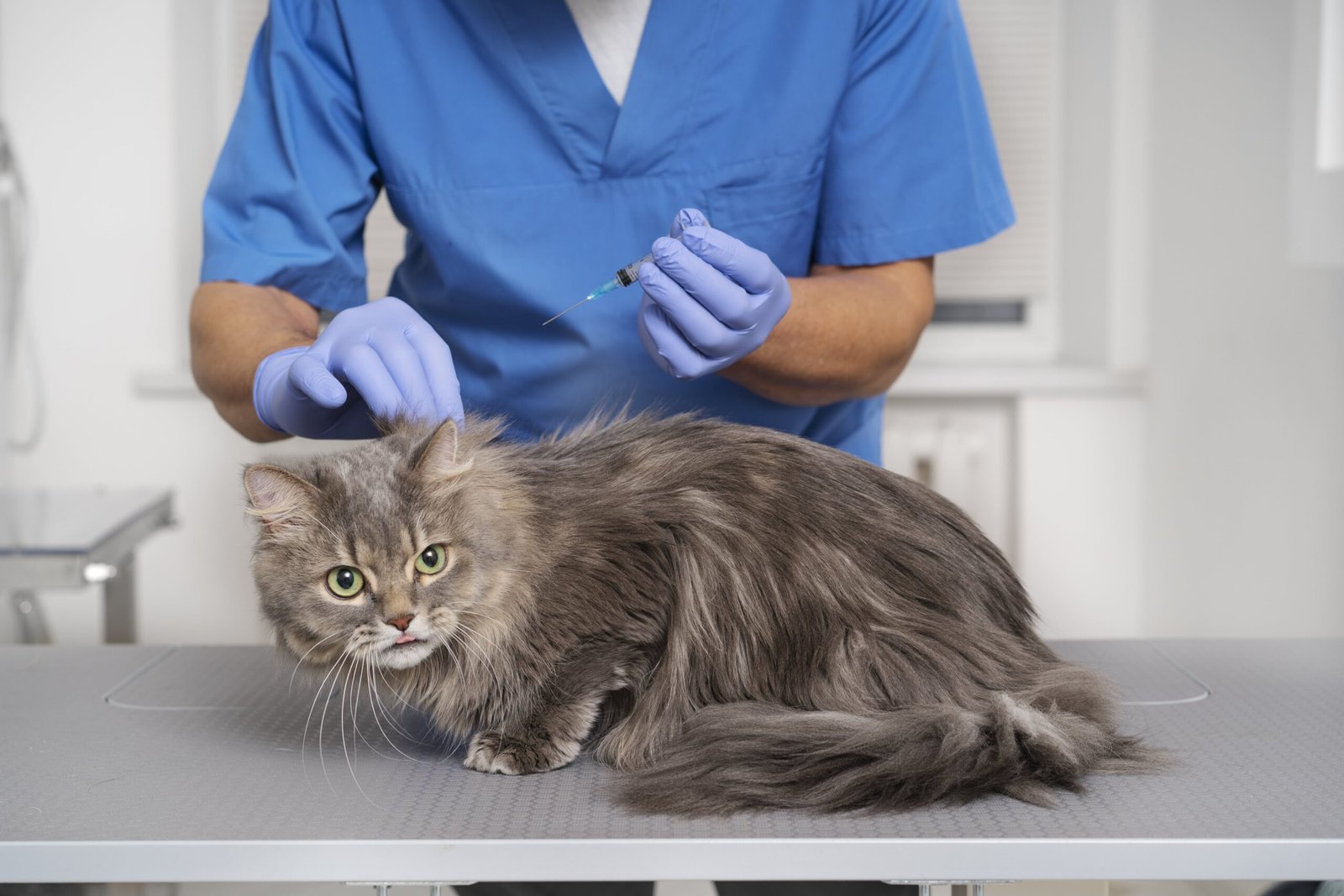
Discover natural treatment for pet allergies that really works — safe, effective ways to relieve your pet’s itching, sneezing, and discomfort naturally.
What Are Pet Allergies?
Just like humans, pets can suffer from allergies that make them itchy, sneezy, and downright miserable. Pet allergies occur when your furry friend’s immune system overreacts to normally harmless substances—like pollen, dust, food ingredients, or flea bites—triggering inflammation and discomfort. These allergic reactions can appear suddenly or build up over time, affecting your pet’s skin, digestive system, or respiratory health.
The good news is that with the right treatment for pet allergies, especially natural approaches, you can help your pet feel comfortable and healthy again without relying solely on synthetic medications.
What Are the Most Common Pet Allergies?
Allergies in pets usually fall into one of three main categories:
- Environmental Allergies (Atopy)
These are caused by allergens like dust mites, grass, mold spores, and pollen. Pets may experience seasonal itching, sneezing, or skin irritation. - Flea Allergy Dermatitis
A single flea bite can trigger an allergic reaction in sensitive animals, leading to intense scratching and hot spots, especially around the tail and belly. - Food Allergies
Some pets are sensitive to certain proteins, grains, or additives in their diet. Common culprits include chicken, beef, wheat, soy, and dairy.
Recognizing the type of allergy your pet has is the first step toward finding an effective and sustainable natural treatment for pet allergies.
Symptoms and Causes:
Pet allergies can look deceptively similar to other skin or health issues, so spotting the signs early is crucial.
Common symptoms include:
- Constant itching and licking
- Red or inflamed skin
- Hair loss or bald patches
- Runny nose or watery eyes
- Ear infections
- Sneezing or coughing
- Paw chewing
- Digestive upset (vomiting or diarrhea in food allergies)
Underlying causes often include genetic predisposition, exposure to environmental irritants, or an overactive immune response. Sometimes, even household cleaning products or scented candles can trigger allergic reactions in sensitive pets.
The environment plays a large role — urban pets may be more exposed to pollutants and artificial fragrances, while rural pets might react to pollen or farm dust.
What Are the Symptoms of Being Allergic to Pets?
It’s important to clarify that pet allergies can go both ways — pets can be allergic to environmental triggers, and humans can be allergic to their pets.
In humans, pet allergies are typically caused by proteins found in pet dander (skin flakes), saliva, and urine. Common symptoms include sneezing, nasal congestion, watery eyes, and skin rashes after touching a pet.
For pets themselves, allergic reactions usually appear as skin and coat problems rather than respiratory ones. If your dog or cat constantly scratches, licks its paws, or develops rashes, it’s likely reacting to allergens in its surroundings or food.
Can Pet Allergies Cause Fatigue?
Yes — both in humans and animals, chronic allergies can lead to fatigue. For pets, constant itching and discomfort interfere with sleep, leading to irritability and lethargy. The body’s immune system also works overtime during allergic reactions, which consumes energy and leaves your pet drained.
If your usually playful companion seems tired or uninterested in activities, persistent allergies may be the underlying cause. This is where natural treatments for pet allergies can help restore balance and energy without overburdening the body with chemicals.
How Long After Being Around Pets Do Symptoms Appear?
The timing of allergy symptoms depends on the type of allergen and individual sensitivity.
- Immediate Reactions: Some pets show symptoms like scratching or sneezing within minutes of exposure.
- Delayed Reactions: In other cases, symptoms might not appear for hours or even days, making it trickier to pinpoint the cause.
This delayed response often happens with food allergies or environmental triggers that build up over time. Keeping a symptom diary—tracking when and where your pet’s reactions occur—can help your veterinarian identify the cause and choose the best treatment for pet allergies.
What Causes Animal Allergies?
At the core of most pet allergies lies an overactive immune system. Instead of ignoring harmless substances like pollen or certain foods, your pet’s immune system mistakenly sees them as threats and launches an inflammatory attack.
Here’s a closer look at some key culprits:
- Pollen, mold, and dust mites: Common airborne allergens.
- Flea bites: Even one bite can trigger an immune response.
- Chemical irritants: Shampoos, detergents, or air fresheners.
- Certain foods: Proteins (like chicken or beef) and grains.
Interestingly, genetics play a big role. Some breeds—such as Bulldogs, Retrievers, and Siamese cats—are naturally more prone to allergies.
The good news? The natural treatment for pet allergies focuses on strengthening the immune system, soothing inflammation, and reducing allergen exposure.
How Doctors Diagnose Pet Allergies:
Veterinarians use several methods to determine what’s causing your pet’s allergic reactions:
- Physical Examination: Checking the skin, ears, eyes, and overall health.
- Elimination Diet: Gradually removing and reintroducing ingredients to find food triggers.
- Allergy Testing: Blood tests or intradermal skin tests help identify environmental allergens.
A thorough diagnosis ensures the treatment for pet allergies targets the true source rather than just the symptoms.
Natural Treatment for Pet Allergies That Really Works:
Once the cause is identified, natural remedies can bring significant relief—without the side effects of synthetic medications. Here are some proven natural treatments and preventive measures:
1. Omega-3 Fatty Acids (Fish Oil or Flaxseed Oil)
Omega-3 supplements reduce inflammation, promote skin healing, and boost your pet’s immune function. They’re particularly effective for skin allergies and dryness.
2. Probiotics for Gut Health
A balanced gut supports a strong immune system. Probiotics can help restore healthy bacteria in the digestive system, reducing allergic sensitivity.
3. Herbal Remedies
- Chamomile and Aloe Vera: Calm itchy skin.
- Licorice Root: Acts as a natural anti-inflammatory.
- Quercetin: Known as “nature’s antihistamine,” it blocks histamine release that triggers allergy symptoms.
4. Apple Cider Vinegar Spray
Diluted apple cider vinegar (50/50 with water) can act as a mild antiseptic for skin irritations. Avoid open wounds, though.
5. Regular Baths with Hypoallergenic Shampoo
Natural oatmeal or aloe-based shampoos remove allergens from your pet’s fur and soothe the skin.
6. A Clean, Allergen-Free Environment
Vacuum regularly, wash pet bedding in hot water, and use air purifiers to minimize airborne allergens.
7. Dietary Adjustments
Switching to a hypoallergenic or grain-free diet may help eliminate food triggers. Natural diets rich in fresh proteins and antioxidants strengthen your pet’s defenses.
These natural treatments work best under veterinary guidance to ensure they’re safe and properly dosed for your pet’s needs.
When Should I See My Healthcare Provider?
If your pet’s symptoms persist despite natural care—or if they develop open sores, ear infections, or extreme hair loss—it’s time to visit your veterinarian. Chronic allergies can lead to secondary bacterial or yeast infections that require professional attention.
في Royal Pets Veterinary Clinic, our team offers comprehensive treatment for pet allergies—combining natural solutions, modern diagnostics, and compassionate care to keep your pet comfortable year-round.
لماذا تختار عيادة رويال البيطرية؟
At our new branch in Khalifa City near El Ethad Plaza, Building C65, next to Life Pharmacy, Royal Pets Veterinary Clinic continues its mission to provide top-tier veterinary care. With years of experience from our Garhoud branch in Dubai, our specialists understand how to treat each pet as an individual.
From advanced allergy testing to tailored natural treatment plans, we ensure your pet receives the best possible care in a welcoming environment. Whether your furry friend suffers from seasonal allergies or chronic itching, our clinic is your trusted partner for long-term relief.
الخاتمة
Pet allergies are frustrating—for both pets and their owners—but they don’t have to control your pet’s life. By understanding the causes, recognizing the symptoms early, and using the right natural treatment for pet allergies, you can help your pet live a happy, itch-free life.
If you notice your pet showing signs of allergies, don’t wait for symptoms to worsen. Visit Royal Pets Veterinary Clinic in Khalifa City for expert advice and compassionate care. Let’s bring comfort back to your pet—naturally.
FAQ about treatment for pet allergies
1. What is the best natural treatment for pet allergies?
Omega-3 fatty acids, probiotics, and herbal remedies like chamomile or quercetin are excellent natural solutions that reduce inflammation and support immunity.
2. Can I prevent pet allergies naturally?
Yes. Keeping your pet’s environment clean, maintaining a healthy diet, and using natural grooming products help prevent allergic flare-ups.
3. How long does it take for natural treatments to work?
Results vary, but you may notice improvements in skin and behavior within 2–4 weeks of consistent use.
4. Are natural treatments safe for all pets?
Most are safe when properly dosed, but always consult your veterinarian before starting any new treatment, especially if your pet takes other medications.
5. Does Royal Pets Veterinary Clinic offer allergy testing?
Absolutely! Our clinic provides comprehensive allergy diagnostics and customized treatment for pet allergies using both natural and medical approaches.
Ready to help your pet feel better?
Visit Royal Pets Veterinary Clinic in Khalifa City, Building C65, next to Life Pharmacy — where science meets natural healing for your beloved companion.