
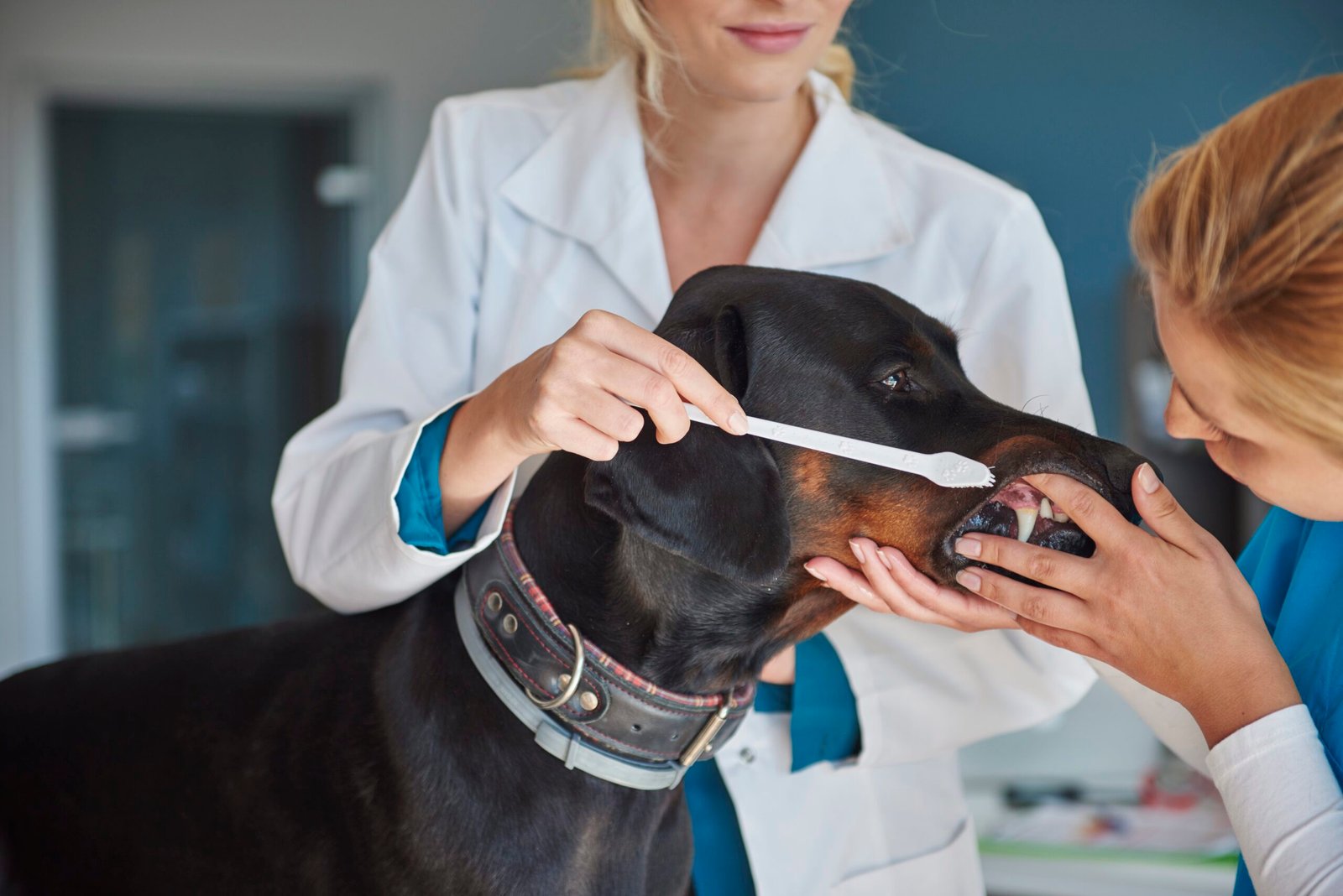
Dog dental cleaning is more important than most pet owners realize. Healthy teeth and gums protect your dog’s comfort, longevity, and overall wellbeing.
Why Is Dog Dental Cleaning Important?
Most pet parents focus on nutrition, grooming, and exercise, yet dental care is often overlooked—despite being one of the biggest factors affecting a dog’s long-term health. Dog dental cleaning isn’t just about fresh breath. It protects your dog from painful conditions and serious diseases that can silently develop in the mouth.
Many trusted dog dental cleaning blogs emphasize the same truth: regular dental care—both at home and through professional veterinary cleanings—prevents plaque accumulation, reduces risk of gum disease, and protects overall health.
Prevents periodontal disease:
Periodontal disease (gum disease) is the most common dental condition in dogs. It begins with plaque, a sticky layer of bacteria. Without proper care, plaque hardens into tartar, causing gum inflammation, recession, and—eventually—bone loss.
Untreated periodontal disease leads to:
- Chronic pain
- Loose or missing teeth
- Difficulty eating
- Infections that spread to major organs
Veterinarians warn that bacteria from infected gums can enter the bloodstream, affecting the kidneys, liver, and heart. This makes dog dental cleaning essential for long-term wellness.
Removes plaque and tartar effectively:
Daily brushing only removes soft plaque on the surface. Once plaque hardens into tartar (also called calculus), it cannot be removed at home.
Professional dog dental cleaning is the only way to eliminate tartar above and below the gumline—where most dental disease occurs.
Supports overall well-being:
Good oral hygiene boosts:
- Quality of life
- Appetite
- Mood
- Energy levels
A dog with a healthy mouth is simply happier. Just like humans, dogs thrive when their teeth and gums are well cared for.
How Often Should My Dog Have a Professional Dental Cleaning?
The frequency of professional dog dental cleaning depends on your dog’s:
- Breed
- Age
- Size
- Overall health
- At-home dental care routine
As a general guideline:
- Most dogs benefit from a professional dental cleaning once a year.
- Smaller breeds (such as Pomeranians, Yorkies, and Chihuahuas) may need cleanings every 6–9 months, as they are more prone to tartar buildup.
- Larger breeds may go longer, but only under veterinary supervision.
Many dog dental cleaning blogs stress one important point: only a veterinarian can safely determine the right schedule after examining your dog’s mouth.
في Royal Pets Veterinary Clinic in Khalifa City, one of the top veterinary clinics in Dubai, veterinarians assess your dog’s teeth and gums and recommend a personalized dental schedule based on real medical needs—not guesswork.
What Are the Signs That My Dog Needs a Dental Cleaning?
Dogs often hide pain, so oral problems can go unnoticed until they become severe. Watch for these symptoms:
1. Bad breath:
While mild doggy breath is normal, strong, foul odors usually indicate bacterial buildup or infection.
2. Yellow or brown tartar:
Visible tartar along the gumline means plaque has hardened and requires professional removal.
3. Red, swollen, or bleeding gums:
These are early signs of gingivitis or periodontal disease.
4. Difficulty chewing:
If your dog eats slowly, avoids hard kibble, or drops food, dental pain may be the cause.
5. Excessive drooling:
Drooling paired with odor or gum inflammation may signal oral discomfort.
6. Pawing at the mouth:
This often means irritation, pain, or tooth sensitivity.
7. Loose or missing teeth:
This is a late-stage dental problem requiring immediate veterinary attention.
If you notice any of these signs, schedule a dog dental cleaning as soon as possible.
How Does a Dog Dental Cleaning Improve Your Dog’s Overall Health?
Professional cleanings are crucial for removing tartar that forms below the gumline, where inflammation and infections start. A thorough veterinarian-led cleaning provides multiple benefits.
1. Prevents serious oral infections
Cleaning stops bacteria from invading gum tissue, bone, and bloodstream.
2. Protects heart, liver, and kidneys
Oral bacteria can travel through the blood, damaging vital organs. Dental cleanings significantly reduce this risk.
3. Reduces chronic inflammation
Gum disease triggers inflammation that affects the whole body. Cleanings help restore balance.
4. Improves comfort and appetite
After a cleaning, many dogs eat more confidently and seem brighter and more active.
5. Enhances quality of life
Healthy teeth = a happier, more energetic dog.
How to Care for Your Dog’s Teeth at Home:
While professional cleanings are essential, at-home care plays a crucial role in your dog’s daily oral health. This is frequently emphasized in dog dental cleaning blogs, which explain practical ways to maintain hygiene between veterinary visits.
Daily brushing
Daily brushing is ideal; brushing 2–3 times a week still significantly reduces plaque. Use gentle motions and reward your dog to build a positive habit.
Use dog-safe toothpaste
Never use human toothpaste—it contains ingredients that can be toxic to dogs. Choose a veterinary-approved formula with appealing flavors like chicken or peanut butter.
Choose the right toothbrush
Options include:
- Finger brushes for small dogs
- Long-handled brushes for larger breeds
- Soft-bristle dog toothbrushes designed for comfort
Make dental care part of your routine:
Pair brushing with regular activities—after grooming, before bedtime, or before meals—so your dog expects it naturally.
Use helpful dental products
While not replacements for brushing, these can help:
- Dental chews
- Oral rinses
- Water additives
- Dental-friendly treats
- Dental toys designed to reduce plaque
At-home care slows plaque buildup but cannot replace a professional dog dental cleaning, especially for tartar under the gumline.
Professional Dental Cleaning: What to Expect:
Understanding what happens during a veterinary dental cleaning reassures pet owners and highlights why the procedure is important.
A complete, deep cleaning
Veterinarians use specialized tools to clean:
- Above the gumline (scaling)
- Below the gumline (where disease begins)
- Between teeth
- Along gum pockets
This level of cleaning cannot be done at home.
Anesthesia for safety:
Modern dog dental cleaning procedures require anesthesia. It ensures:
- Your dog stays still
- No pain or stress
- Precision below the gumline
- Full examination of teeth and gums
Some clinics offer “non-anesthetic cleanings,” but these are surface-only. They cannot clean under the gumline and may miss early disease. Always consult your veterinarian to understand the risks and limitations.
Aftercare:
After a professional cleaning:
- Your dog may feel groggy for several hours
- Soft food may be recommended for 24–48 hours
- Minor gum sensitivity is normal for a couple of days
Your veterinarian will guide you on proper home care, brushing schedule, and diet recommendations.
Call Royal Pets Veterinary Clinic Today:
For pet owners in the UAE, Royal Pets Veterinary Clinic in Khalifa City stands out as one of the best veterinary clinics in Dubai. Their team specializes in professional dog dental cleaning, advanced veterinary dentistry, and preventive care. With modern equipment, trained veterinarians, and a compassionate environment, your dog receives top-tier dental treatment from start to finish.
Whether your dog needs a routine cleaning, a dental exam, or specialized oral care, the team at Royal Pets is ready to help your pet maintain a bright, healthy smile.
الخاتمة
Dog dental cleaning is one of the most powerful ways to protect your dog’s health, comfort, and happiness. Regular brushing at home, veterinary exams, and professional cleanings under anesthesia work together to prevent gum disease, tooth loss, and dangerous infections. With the right routine—and support from trusted clinics like Royal Pets Veterinary Clinic in Khalifa City—your dog can enjoy a healthier mouth and a longer, more joyful life.
Dental care is not optional; it is essential. Your dog depends on you to keep their teeth and gums healthy, so start building the perfect dental routine today.
FAQ About dog dental cleaning:
1. How often should I schedule a dog dental cleaning?
Most dogs need one professional cleaning per year, but some breeds require more frequent care. Always follow your veterinarian’s recommendation.
2. Can I clean my dog’s teeth at home?
Yes—daily or weekly brushing helps prevent plaque buildup. However, tartar under the gumline still requires a professional cleaning.
3. Is anesthesia necessary for dog dental cleaning?
Yes. Anesthesia ensures safety, comfort, and a thorough cleaning below the gumline. Non-anesthetic cleanings only remove surface plaque.
4. Are dental chews enough to keep my dog’s teeth clean?
Dental chews help but do not replace brushing or professional cleaning. They are supplemental tools.
5. What happens if I ignore my dog’s dental health?
Plaque turns into tartar, leading to gum disease, pain, tooth loss, and serious infections that affect vital organs.