

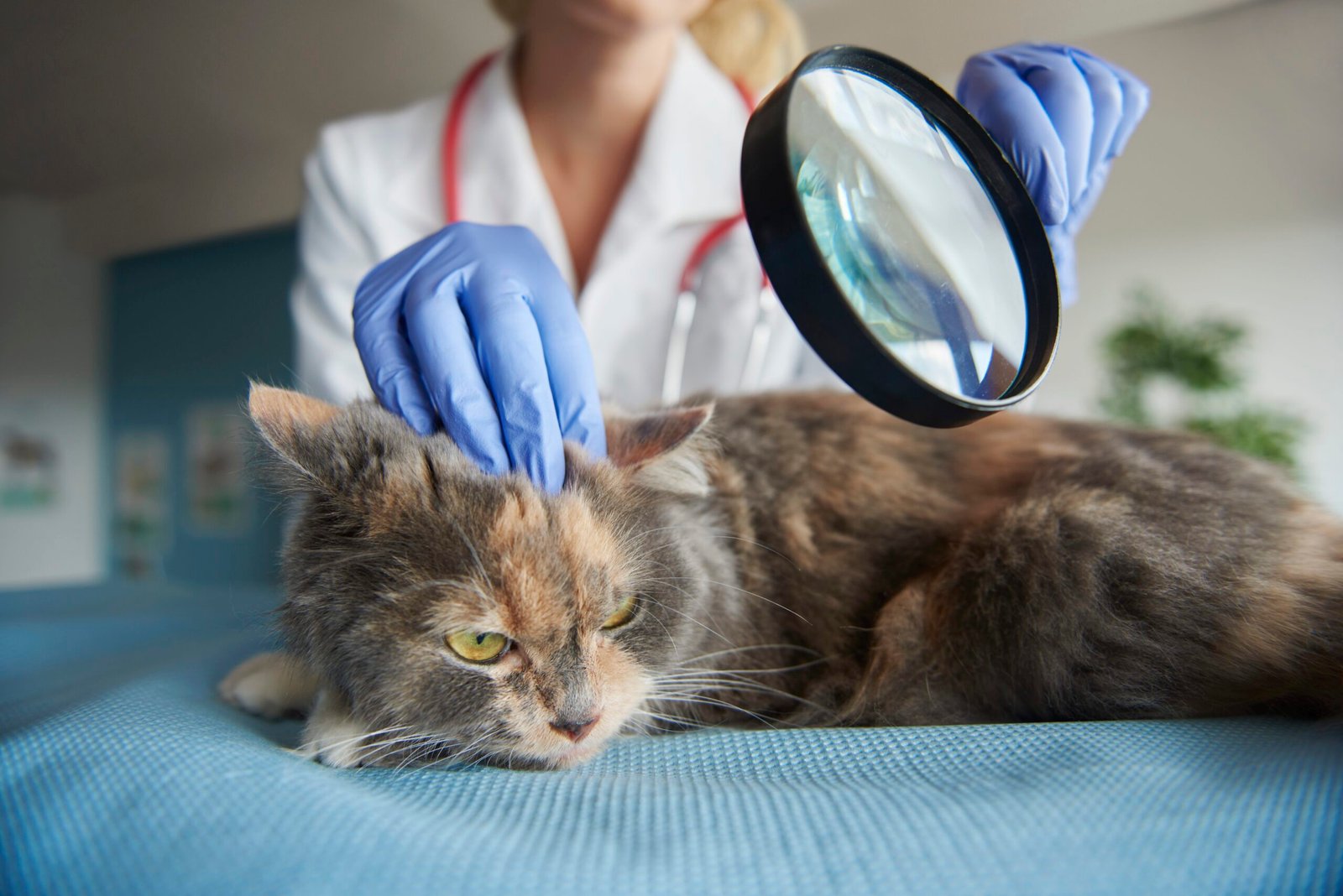
Eye problems in cats are more common than many pet owners realize, and they can range from mild irritation to serious conditions that threaten your cat’s vision. Cats rely heavily on their eyesight for movement, hunting instincts, and daily comfort, so any change in their eyes should never be ignored. Understanding eye problems in cats, their causes, symptoms, and treatment options can help you act quickly and protect your cat’s long-term eye health.
Introduction to Eye Problems in Cats:
Eye problems in cats can develop suddenly or progress slowly over time. Redness, discharge, squinting, or cloudiness may seem minor at first, but they often signal underlying conditions that require veterinary care. Early detection and proper treatment are key to preventing pain, complications, or even permanent vision loss.
Signs of Eye Problems in Cats You Should Never Ignore:
Recognizing early warning signs is one of the most important steps in managing eye problems in cats. Cats are experts at hiding discomfort, so even subtle changes matter.
Common signs of eye problems in cats include:
- Squinting or keeping one or both eyes partially closed
- Pawing or rubbing at the eyes
- Redness, swelling, or visible inflammation
- Discharge that may be clear, yellow, green, or sticky
- Cloudiness or a noticeable change in eye color
- Sensitivity to light or avoiding bright areas
- A visible third eyelid (a white or pale membrane in the corner of the eye)
- Bumping into objects or difficulty navigating familiar spaces
- Lumps, swelling, or growths around the eye area
Any of these symptoms can indicate eye problems in cats that need professional evaluation.
Common Eye Problems in Cats and What They Mean:
There are several common eye problems in cats, each with different causes and levels of severity. Some are easily treated, while others require urgent care.
Conjunctivitis (Pink Eye) in Cats:
Conjunctivitis is one of the most common eye problems in cats. It involves inflammation of the tissue lining the eyelids and the white part of the eye. Cats with conjunctivitis often have red, swollen eyes and noticeable discharge. Viral infections such as cat flu, bacterial infections, allergens, or irritants are common triggers.
Corneal Ulcers and Eye Injuries:
Corneal ulcers are scratches or open wounds on the surface of the eye. These eye problems in cats are extremely painful and can worsen quickly if left untreated. Causes include fights with other animals, foreign objects, or untreated infections. Without prompt treatment, corneal ulcers can lead to scarring or blindness.
Eye Infections in Cats:
Bacterial, viral, or fungal infections can all cause eye problems in cats. Feline herpesvirus is a particularly common viral cause and may recur throughout a cat’s life. Symptoms often include discharge, redness, and chronic irritation.
Cataracts in Cats:
Cataracts involve clouding of the eye’s lens and can interfere with vision. While cataracts are less common in cats than in dogs, they can still occur due to injury, aging, glaucoma, or underlying diseases.
Glaucoma and Increased Eye Pressure:
Glaucoma is a serious and painful eye problem in cats caused by increased pressure inside the eye. It can lead to irreversible vision loss if not treated quickly. Signs may include eye enlargement, cloudiness, redness, and behavioral changes due to pain.
Uveitis and Internal Eye Inflammation:
Uveitis refers to inflammation inside the eye, affecting the iris and surrounding structures. This condition is often linked to infections, immune system disorders, trauma, or systemic diseases. Uveitis is considered a medical emergency among eye problems in cats.
Retinal Detachment and Vision Loss:
Retinal detachment occurs when the retina separates from the back of the eye. This condition is commonly associated with high blood pressure caused by kidney disease or hyperthyroidism. Sudden blindness, dilated pupils, and disorientation are common signs.
Causes of Eye Problems in Cats:
Understanding what causes eye problems in cats can help reduce risks and encourage early intervention.
Common causes include:
- Viral infections such as feline herpesvirus or calicivirus
- Bacterial or fungal infections
- Parasites affecting the eye or surrounding tissues
- Allergies or environmental irritants
- Trauma from fights, accidents, or foreign objects
- Chronic conditions like high blood pressure, kidney disease, or hyperthyroidism
- Weakened immune system or underlying systemic illness
Because many eye problems in cats are linked to internal health issues, proper diagnosis is essential.
Less Common Eye Problems in Cats:
While less frequent, some eye problems in cats still require serious attention.
These include:
- Eye tumors or abnormal growths
- Congenital eye defects present from birth
- Dry eye conditions causing reduced tear production
- Severe scarring from untreated infections or injuries
Even rare eye problems in cats can significantly affect quality of life if ignored.
How to Treat Eye Problems in Cats Safely:
Treatment for eye problems in cats depends entirely on the underlying cause. A veterinarian may prescribe:
- Medicated eye drops or ointments
- Antibiotics, antivirals, or antifungal medications
- Anti-inflammatory or pain-relief treatments
- Management of underlying conditions such as high blood pressure
- Protective collars to prevent rubbing or scratching
Never use human eye medications on cats, as this can worsen eye problems in cats and cause serious harm.
Treating Eye Problems in Cats at Home: What Is Safe?
Home care should only support veterinary treatment, not replace it. For mild eye irritation, your vet may recommend gently cleaning discharge with sterile saline and a clean cloth. However, attempting home remedies without professional advice can delay proper treatment and worsen eye problems in cats.
If symptoms persist for more than a day or worsen, veterinary care is essential.
What Do You Do If Your Cat Goes Blind?
Blindness can be one of the most frightening outcomes of severe eye problems in cats, but many blind cats still live happy, comfortable lives. Cats adapt well by relying on their other senses.
If your cat loses vision:
- Keep furniture and objects in consistent locations
- Avoid sudden changes to their environment
- Use sound cues and scent markers
- Ensure regular veterinary checkups to manage underlying causes
Early treatment of eye problems in cats significantly reduces the risk of permanent vision loss.
When to See a Vet for Eye Problems in Cats:
You should contact your veterinarian immediately if you notice:
- Sudden eye pain or squinting
- Thick, colored discharge
- Cloudiness or changes in eye appearance
- A visible third eyelid
- Signs of vision loss or disorientation
Many eye problems in cats are serious and require prompt treatment to save your cat’s vision and prevent complications.
Eye Problems in Cats FAQs:
Are eye problems in cats contagious?
Some eye problems in cats caused by viral or bacterial infections can spread between cats, especially in multi-cat households.
Can eye problems in cats heal on their own?
Minor irritation may resolve, but most eye problems in cats require veterinary diagnosis and treatment.
How fast do eye problems in cats get worse?
Some conditions, like corneal ulcers or glaucoma, can worsen within hours, making early care critical.
Can eye problems in cats cause permanent blindness?
Yes, untreated eye problems in cats can lead to partial or complete vision loss.
Caring for Your Cat’s Vision with Professional Support:
Your cat’s eyes are delicate, complex organs that deserve immediate attention when something seems wrong. Eye problems in cats are not just cosmetic issues—they often reflect deeper health concerns that require expert care.
في Royal Pets Veterinary Clinic, we truly love to take care of your pets. Located in Khalifa City near El Etihad Plaza, Building C65, next to Life Pharmacy, our second branch offers comprehensive pet care services, including veterinary care, pet surgery, pet grooming, and pet dental services. Our experienced veterinary team is fully equipped to diagnose and treat eye problems in cats with professionalism and compassion.
If you notice any changes in your cat’s eyes, don’t wait. Early action can protect your cat’s vision, comfort, and quality of life. Contact Royal Pets Veterinary Clinic today and give your cat the expert care they deserve.