
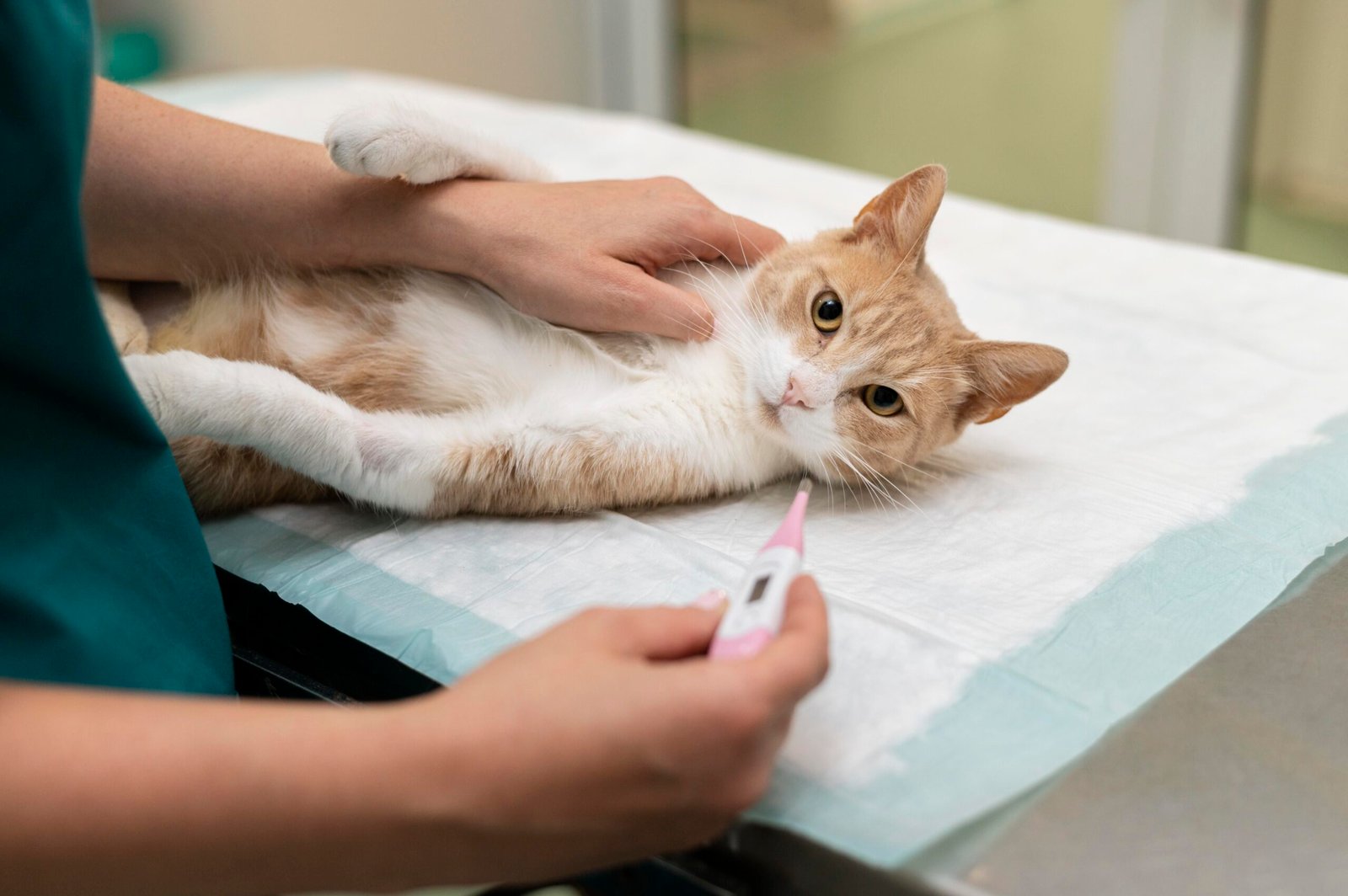
Cat seasonal allergies treatment helps reduce itching and skin irritation caused by pollen, dust, and mold, improving your cat’s comfort and quality of life.
What Are Seasonal Allergies in Cats?
Cat seasonal allergies treatment focuses on managing allergic reactions that occur when a cat’s immune system overreacts to environmental allergens that appear at certain times of the year. Common seasonal triggers include pollen from trees, grasses, and weeds, as well as mold spores that increase during humid or rainy seasons.
Unlike infections, seasonal allergies are not contagious, and they are not curable in the traditional sense. Instead, effective cat seasonal allergies treatment aims to control symptoms, reduce flare-ups, and help your cat live comfortably despite ongoing exposure to allergens.
Types of Seasonal Allergies in Cats:
Understanding the type of allergy helps your veterinarian design the most effective cat seasonal allergies treatment plan.
Environmental (Atopic) Allergies:
These are the most common seasonal allergies in cats. They occur when airborne allergens like pollen or mold trigger itching and inflammation.
Flea Allergy Dermatitis (Seasonal Worsening):
While flea allergies can occur year-round, symptoms often worsen seasonally when flea populations increase. Proper flea control is a critical part of cat seasonal allergies treatment.
Secondary Skin Reactions:
Seasonal allergies can weaken the skin barrier, leading to secondary bacterial or yeast infections that intensify itching and discomfort.
Symptoms of Seasonal Allergies in Cats:
Recognizing symptoms early allows faster and more effective cat seasonal allergies treatment.
Common signs include:
- Persistent itching or scratching
- Excessive grooming or hair loss
- Red, inflamed, or scabbed skin
- Ear infections or frequent head shaking
- Watery eyes or nasal discharge
- Chewing at paws or tail
Cats often show allergies through grooming behaviors rather than scratching, which makes symptoms easy to miss until skin damage becomes obvious.
Causes of Seasonal Allergies in Cats:
Cat seasonal allergies treatment starts with identifying what causes flare-ups. The most common seasonal allergens include:
- Tree, grass, and weed pollen
- Mold spores indoors and outdoors
- Dust and dust mites
- Changes in humidity and temperature
Even indoor cats can suffer from seasonal allergies because pollen and mold easily enter homes through windows, clothing, and ventilation systems.
How Veterinarians Diagnose Seasonal Allergies in Cats:
Accurate diagnosis is essential for successful cat seasonal allergies treatment. Veterinarians usually follow a step-by-step approach rather than relying on a single test.
Medical History and Physical Examination:
Your vet will review when symptoms started, how they progress through the year, and which areas of the body are affected.
Rule-Out Testing:
Before confirming seasonal allergies, veterinarians often rule out:
- Fleas and parasites
- Food allergies
- Skin infections
Allergy Testing:
In some cases, intradermal skin testing or blood tests are used to identify specific allergens. This information is especially useful when considering immunotherapy as part of cat seasonal allergies treatment.
Treatment of Seasonal Allergies in Cats:
Effective cat seasonal allergies treatment combines environmental management, home care, and veterinary-prescribed medications. Because allergies are chronic, treatment focuses on long-term symptom control rather than a permanent cure.
Reducing Allergen Exposure at Home
Reducing exposure is the foundation of cat seasonal allergies treatment.
- Keep windows closed during high pollen seasons
- Use air purifiers and vacuum frequently
- Wash bedding regularly in hot water
- Wipe your cat’s paws and coat after outdoor exposure
Grooming as Part of Cat Seasonal Allergies Treatment:
Regular grooming helps remove allergens from the skin and coat.
- Use vet-approved hypoallergenic shampoos
- Allergy wipes or mousses between baths
- Avoid over-bathing, which can dry the skin
Professional grooming can be especially helpful for cats with dense or long coats.
Dietary Support and Supplements:
Nutrition plays a supportive role in cat seasonal allergies treatment.
- Omega-3 fatty acids help reduce inflammation and improve skin health
- Probiotics support immune balance
- High-quality diets strengthen the skin barrier
Always consult your veterinarian before adding supplements.
Veterinary Medications for Cat Seasonal Allergies Treatment:
When home care is not enough, prescription treatments are often necessary.
Antihistamines:
Medications like cetirizine or diphenhydramine may reduce itching in some cats. They work best when used preventively and under veterinary guidance.
Steroids:
Drugs such as prednisolone or methylprednisolone are effective for severe itching and inflammation. Due to potential side effects, they are typically used at the lowest effective dose.
Immunosuppressants:
Medications like cyclosporine (Atopica) provide long-term control for chronic cases and are a common option in advanced cat seasonal allergies treatment.
Immunotherapy (Allergy Shots):
Immunotherapy gradually desensitizes the immune system to specific allergens. It is the only treatment that addresses the underlying allergic response rather than just symptoms.
Topical Treatments:
- Medicated wipes and mousses
- Eye or ear drops for localized symptoms
Flea Prevention Is Essential:
Even if fleas are not the primary cause, flea bites can dramatically worsen allergic reactions. Consistent flea prevention is a non-negotiable part of cat seasonal allergies treatment.
Important Safety Considerations:
- Never give human medications without veterinary approval
- Some over-the-counter drugs are toxic to cats
- Proper dosing is critical for safety
Recovery and Management of Seasonal Allergies in Cats:
Cat seasonal allergies treatment is an ongoing process. With the right plan, most cats experience significant improvement and enjoy a normal, comfortable life.
Long-term management includes:
- Monitoring seasonal flare-ups
- Adjusting medications as needed
- Maintaining grooming and cleaning routines
- Regular veterinary checkups
Consistency is key. Managing allergies proactively often prevents severe flare-ups later.
Cat Seasonal Allergies Treatment FAQs:
Can seasonal allergies in cats be cured?
No, seasonal allergies cannot be cured, but cat seasonal allergies treatment can effectively control symptoms and reduce discomfort.
Are seasonal allergies dangerous for cats?
They are rarely life-threatening, but untreated allergies can lead to infections, skin damage, and chronic discomfort.
How long does cat seasonal allergies treatment take to work?
Some treatments provide relief within days, while others, like immunotherapy, may take several months for full benefits.
Can indoor cats have seasonal allergies?
Yes. Indoor cats are commonly affected because allergens enter the home through air circulation and human clothing.
Is long-term medication safe?
When monitored by a veterinarian, long-term cat seasonal allergies treatment can be safe and highly effective.
A Caring Conclusion for Your Cat’s Comfort:
Seasonal allergies don’t have to control your cat’s life. With the right cat seasonal allergies treatment plan, it’s possible to relieve itching, protect the skin, and restore comfort year-round.
في Royal Pets Veterinary Clinic | Khalifa City Branch, we truly love to take care of your pets. Located near Etihad Plaza, Building C65, next to Life Pharmacy, our Khalifa City branch offers comprehensive veterinary care, grooming, dental services, and advanced allergy management in a professional and compassionate environment.
If your cat is showing signs of seasonal allergies, don’t wait for symptoms to worsen. Contact Royal Pets Veterinary Clinic today and let our experienced veterinary team create a personalized cat seasonal allergies treatment plan to help your feline friend feel comfortable, healthy, and happy again.