

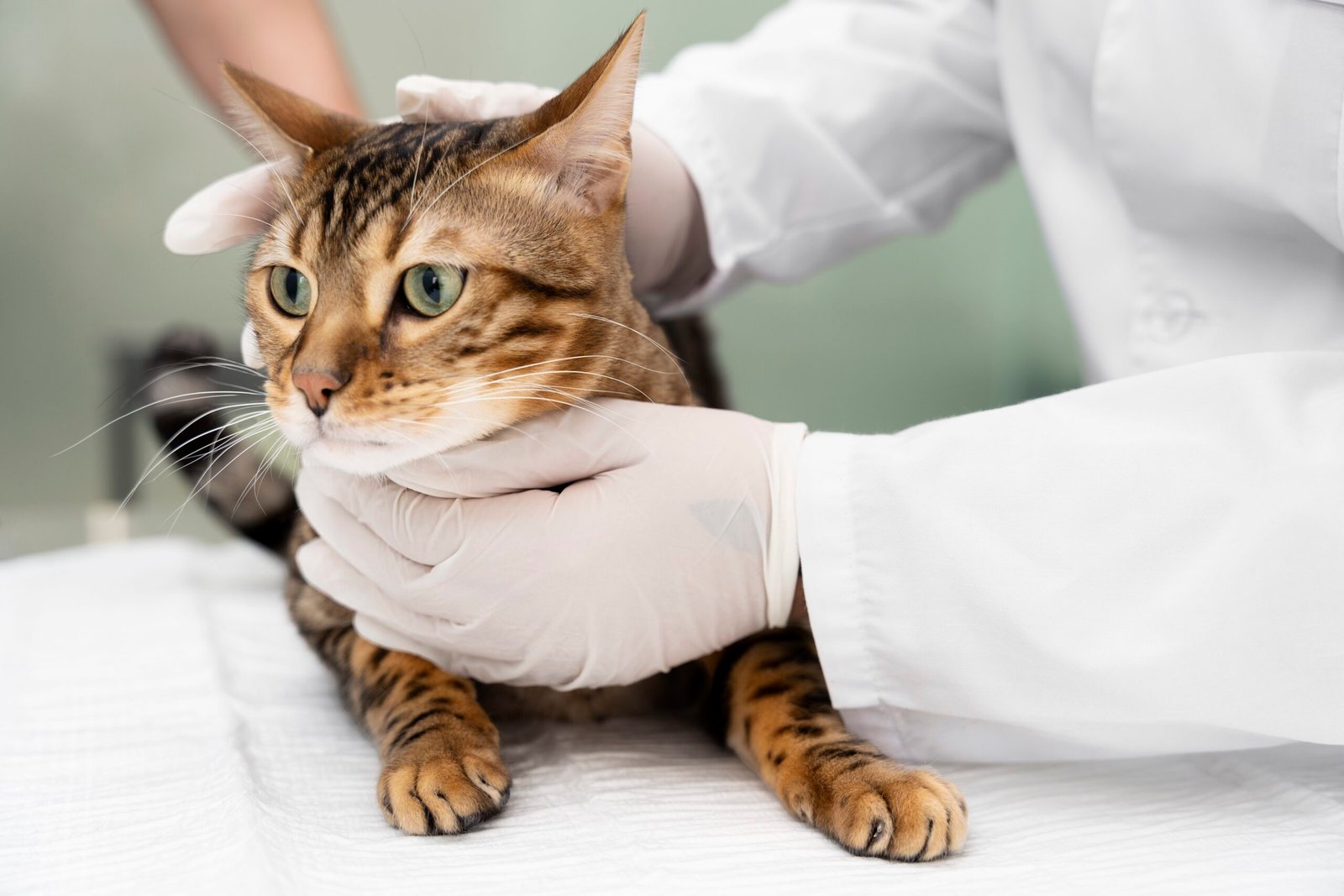
Cats are masters of disguise. The signs of pain in cats are often quiet, indirect, and easy to miss—until a small problem becomes a serious one.
Why Cats Hide Their Pain:
Understanding the signs of pain in cats starts with understanding cat psychology. In the wild, showing pain makes an animal vulnerable. That instinct never left domestic cats. Even in the safest homes, cats hide discomfort as a survival reflex.
Instead of obvious crying or whining, pain shows up as subtle shifts: a cat who suddenly avoids attention, sleeps more than usual, or seems “not quite themselves.” These changes are easy to dismiss as moodiness or aging—but they’re often the earliest signs of pain in cats.
Pain may be acute (sudden, from injury or illness) or chronic (slow-building, like arthritis or dental disease). Both deserve attention.
Signs Your Cat May Be in Pain You Should Never Ignore:
The most important signs of pain in cats fall into three main categories: behavioral, physical, and daily habit changes.
Behavioral Changes That Signal Pain in Cats:
One of the clearest signs of pain in cats is a shift in behavior.
- Hiding or withdrawal: Spending more time under beds, in closets, or away from family.
- Reduced playfulness: Losing interest in toys or interaction.
- Aggression or irritability: Hissing, growling, biting, or reacting negatively when touched.
- Mood changes: Becoming unusually clingy, grumpy, anxious, or withdrawn.
Cats in pain often seem “off,” even if you can’t immediately explain why.
Physical and Mobility Signs of Pain in Cats:
Pain frequently affects how a cat moves and holds their body.
- Limping or stiffness, especially after resting.
- Reluctance to jump onto furniture or climb stairs.
- Hunched posture or arched back.
- Tucked-in abdomen as if protecting the belly.
- Trembling or shaking, even in warm environments.
These physical signs of pain in cats are commonly linked to joint problems, injuries, or internal discomfort.
Grooming and Coat Changes:
Cats are meticulous groomers, so coat changes are powerful indicators.
- Neglected grooming: Greasy, matted, or unkempt fur.
- Over-grooming: Excessive licking of one spot, sometimes leading to hair loss or sores.
Both can be strong signs of pain in cats, especially when linked to arthritis, skin issues, or internal pain.
Vocalization as a Sign of Pain in Cats:
Not all pain is silent.
- Increased meowing or yowling
- Crying when moving, jumping, or using the litter box
- Unexpected purring in stressful or painful situations
Purring isn’t always happiness—it can be a self-soothing response to pain.
Facial Expressions That Reveal Pain in Cats:
A cat’s face often gives away what their body tries to hide.
- Squinting or half-closed eyes
- Flattened or rotated ears
- Tense whiskers pushed forward or flattened
- Wide, glassy, or unfocused eyes
Veterinarians often use these subtle facial signs of pain in cats to assess discomfort levels.
Eating and Drinking Changes Linked to Pain in Cats:
Pain affects appetite and hydration more than many owners realize.
- Reduced appetite or skipping meals
- Chewing on one side of the mouth
- Dropping food while eating
- Drinking noticeably more or less than usual
Dental disease, gastrointestinal pain, kidney issues, and mouth injuries often show up first as eating changes.
Litter Box Issues as Hidden Signs of Pain in Cats:
Litter box behavior is a major pain indicator.
- Urinating or defecating outside the box
- Straining or crying while using it
- Going more frequently—or avoiding the box entirely
These signs of pain in cats may point to urinary tract disease, constipation, arthritis, or abdominal pain.
Common Causes of Pain in Cats:
Recognizing the signs of pain in cats helps uncover the cause. Some of the most common include:
- Dental disease and oral infections
- Arthritis and joint degeneration
- Urinary tract infections or blockages
- Gastrointestinal disorders
- Injuries, falls, or trauma
- Skin conditions or abscesses
- Chronic illnesses like kidney disease
Pain can exist even when there’s no visible injury.
How Pain Could Be Expressed in Your Cat’s Face and Body Language:
Cats communicate pain through posture and expression rather than sound.
A cat in pain may:
- Curl tightly into themselves
- Avoid stretching
- Guard a specific body part
- Move slowly and deliberately
These nonverbal signs of pain in cats are often clearer than vocal cues.
What to Do If You Suspect Your Cat Is in Pain:
If you notice signs of pain in cats, act promptly.
- Document changes: Take videos or notes of unusual behaviors.
- Avoid human pain medication: Many common drugs are toxic to cats.
- Limit activity: Keep your cat comfortable and calm.
- Schedule a veterinary visit for proper diagnosis.
Pain is not something cats “just live with.” It can and should be treated.
How We Treat Pain in Cats Safely and Effectively:
Veterinary treatment depends on the cause and severity of pain.
Treatment may include:
- Cat-safe pain relief medications
- Anti-inflammatory therapy
- Dental treatment
- Fluid therapy
- Nutritional support
- Long-term pain management plans for chronic conditions
Modern veterinary medicine allows cats to live comfortable, pain-free lives—even with chronic illness.
When to Seek Veterinary Care for a Cat in Pain:
Seek veterinary care immediately if your cat:
- Stops eating for more than 24 hours
- Is unable to move normally
- Cries in pain or shows sudden aggression
- Has litter box accidents with no history
- Appears lethargic or withdrawn for more than a day
Early intervention can prevent serious complications and speed recovery.
Fun Fact: Cats Often Purr When They’re in Pain:
Purring isn’t just contentment. Cats may purr to calm themselves or promote healing. Low-frequency vibrations have been linked to tissue repair and stress reduction—another reason purring can be one of the most misunderstood signs of pain in cats.
Signs of Pain in Cats FAQs:
What are the most common signs of pain in cats?
Behavior changes, hiding, reduced activity, aggression, appetite loss, grooming changes, and mobility issues are common signs of pain in cats.
Can cats be in pain without crying?
Yes. Most cats hide pain and show subtle behavioral or physical changes instead of vocalizing.
Is purring always a sign of happiness?
No. Purring can also be a response to stress, fear, or pain.
Can I give my cat human pain medication?
Never. Many human pain relievers are toxic to cats and can be fatal.
How do vets diagnose pain in cats?
Diagnosis includes physical exams, behavior assessment, imaging, lab tests, and pain-scoring methods.
A Final Word for Caring Cat Owners:
The signs of pain in cats are quiet but meaningful. Your cat depends on you to notice the small changes before they become big problems. Trust your instincts—if something feels off, it probably is.
في Royal Pets Veterinary Clinic, we truly love taking care of your pets. Our Khalifa City branch, located near El Etihad Plaza in Building C65 next to Life Pharmacy, offers comprehensive veterinary care, surgery, dental services, grooming, and compassionate pain management in a professional, pet-friendly environment.
Your cat doesn’t have to live with pain. Reach out today and let our experienced veterinary team help your feline companion feel comfortable, safe, and themselves again.